How to Stop a Blanket from Shedding Lint: 7 Easy Solutions


If you’re one of the many people who constantly struggle with how to stop a blanket from shedding lint all over their house. Then you’ve just found the solution. Your expensive fuzzy blanket constantly sheds, leaving lint in every corner of your room. This can be frustrating, especially when you can’t do anything about it.
Thankfully, there are several techniques you could apply to stop a blanket from shedding lint all over the place. One of these practical methods includes adopting a typical washing and drying process. This includes vacuuming and air drying to help reduce shedding.
In this article, I’ll walk you through some easy solutions on how to stop a blanket from shedding without trading the comfort of enjoying a cozy blanket. You’ll learn why your blanket sheds and how to remove loose fur. You’ll also learn how to stop your blanket from shedding and how to use a gentle detergent to loosen excess fibers.
Let’s dive right into it!
Table of Contents
Why does my blanket keep shedding?
It’s common for your blankets to shed, especially when you overload them with other items in the washer. However, some fabrics made from natural fibers, such as cotton and wool, tend to shed even more.

Loose fibers may escape their weave ends; this mainly occurs in new blankets. Those made with synthetic materials such as polyester are not exempted. However, there are other reasons why your blankets shed lints, and they include:
Age
Age is one of the reasons why your blanket will start piling over time. Once a blanket starts aging, the materials will begin to lose the quality they once had. They will start leaving lint in places where they are used.
Improper Use
Misusing your blanket without considering its durability can cause excessive shedding. It’s essential to handle the material with care. Wash it with the right laundry equipment, keep it properly after use, and avoid your pet playing with it.
Manufacturing Processes
The manufacturing process of your blanket may be the reason why it sheds. When the blankets are woven or knitted, there is a chance for the fibers to loosen up. Poor finishing can also cause your fuzzy blanket to lose fibers excessively.
Improper washing
There is a right and wrong way to wash a blanket. The right way makes the material last long. The wrong way will make the fabric weak and loose fibers. As a result, the material will start to shed.
Hot water is one of the biggest enemies of fuzzy blankets. It can damage fabrics in your blanket more quickly. Gently run a cold water cycle to minimize stress on the fabric fibers.
How to stop a blanket from shedding
Before you learn how to stop a blanket from shedding, you should familiarize yourself with a few terms.
- Lint: this is a soft part of a material that is usually made of short and beautiful fibers and often separated from the main surface
- Shedding: to come off its original surface or state.
- Piling: the process of fabric breaking and becoming loose.

1. Use the proper method to wash your fur blanket.
The way you wash your fabric will contribute to its shedding or not. The best way to clean a fuzzy blanket is by using cold water and a fabric conditioner. This process will minimize shedding and retain the blanket’s quality for extended periods.
Avoid using hot water or a strong detergent, as this combination can damage your fur blanket and cause it to lose fibers. Gentle detergent is the best type for washing a faux fur blanket.
Use cold water, wash in a gentle cycle, and add fabric softeners, which can help soften the fabric and prevent shedding. A good fabric softener will strengthen your fabric in the long run.
2. Make use of lint rollers

You can remove piling with a lint roller or fabric shaver for blankets with piling issues. These tools are designed to make it easy to clean fabrics without causing much damage to the materials. All you have to do is roll the device over the fabric and remove the pills.
You need to take some necessary precautions when using these tools on delicate fabrics, like cashmere and fleece blankets. These include;
- Don’t press the rollers too hard; light press so you won’t damage the fabric fibers.
- Avoid rolling back and forth in a particular area to avoid additional pilling.
- If you use your blanket quite often, you’d need to run the lint roller weekly; however, if you have a furry friend that constantly uses the blankets with you, you’d need to use the lint roller every time they get off. That way, your fuzzy blanket will retain its best look.
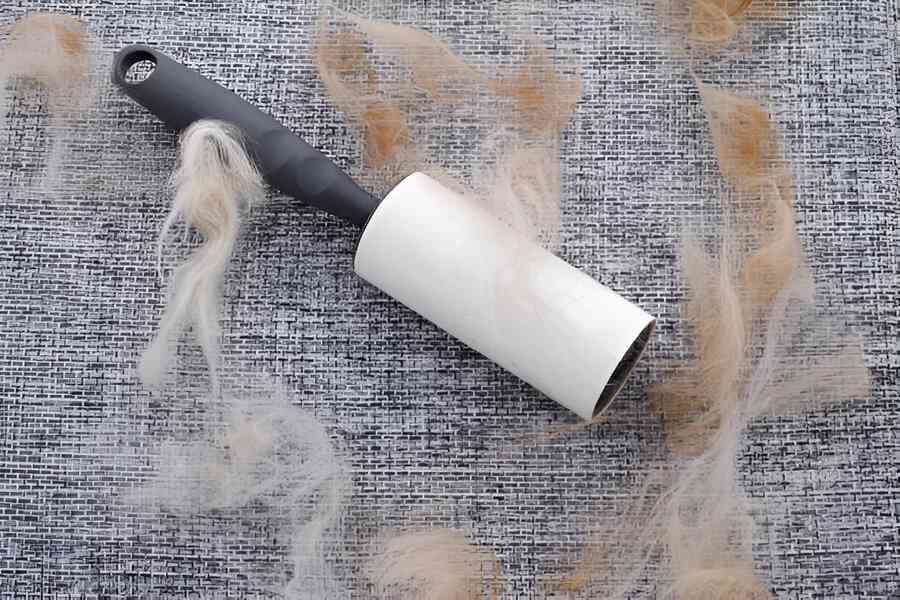
A lint roller is one of the most practical ways to remove lint from your faux fur blanket.
3. Air Drying Your Blanket
Air drying is an effective way to prevent blankets from shedding lint or getting damaged quickly. Avoid using dryers if you can. They give too much heat and eventually cause the fabric to break and damage your blanket.
Using dryers also means there is a chance of static electricity building on the fabric, making the fibers want to stick together, creating pills and more damage. Air drying helps reduce shedding and solves both the problems of static electricity and high temperatures.
However, when done wrongly, it could result in premature wear. Hang the blankets outside where they are far or away from direct sunlight. You want to keep them off things that can generate heat, like fireplaces or radiators. Fans can also dry them, but they blow dust and some dirt along, so avoid them.
4. Use a Fabric Shaver
Using a fabric shaver can make cleaning your fabric ten times safer. Fabric shavers have a blade and are easy to use for cleaning pills off a blanket.
Remember that piling happens when the surface of the blanket or material becomes covered with layers of fabric or pills. Such surfaces and materials will look old.
Using a fabric shaver effectively stops your favorite blanket from removing lint, but do it cautiously. Pressing too hard could lead to more pilling or damage because the material is often made of delicate fabrics.
To clean with this device, turn a fabric shaver on and move it over the surface you want to clean. Focus on the areas with pilling, and move the device in short strokes.
Be patient, and continue until all pills are gone. Continue with the movement so you can prevent more pills from adding up.
Once you’re satisfied with the new look of the surface, you can then turn the device off and use a piece of brush to clean the surface to finish. Keep your blanket in your wardrobe or wherever it’s safe and protected.
5. Vacuuming Your Blanket
Using a vacuum cleaner is another way to clean your blanket, but it must be done carefully to avoid further damage. This method removes debris from your blanket, including pet hair and shed lint.
Please note: Vacuuming your faux fur blanket with an upholstery attachment can also bring out its finest look. It can also prevent the machine from damaging your blanket.
Lay the blanket flat on a large table or floor. You’ll most likely notice any wrinkles in your blanket when spread. Remove them by adjusting how you lay them.
Next, fix the upholstery on the vacuum cleaner. Set the power to a low heat setting. High power will ruin delicate fleece, cashmere, or silk fabrics.
With the power turned on and upholstery attached, vacuum slowly over the blanket in sections. Ensure you cover all areas, especially those spots around seams, stitches, and edges.
Avoid rushing and leaving dirt or some areas uncovered. Turn the blanket over and clean the other side, too. After cleaning, you can use a brush to clean the surface.
6. Avoid Overwashing
Hygiene is important, but excessive blanket cleaning will cause it to start shedding. The fibers are soft, and frequent wash will damage them. While washing, you also want to avoid using hard materials like harsh detergents.
The washing frequency should be determined by how much you use the blanket or who is using it. For instance, blankets for kids will need more washing than those used by adults. This is because kids are more likely to make them dirty faster.
Generally, you can wash your blanket every two months to keep it clean and prevent overwashing. Even if it’s a new blanket, washing it too often can damage the fabrics. If you have fuzzy blankets, you may need to clean them more frequently.
However, you shouldn’t always wash them because they will start shedding lint frequently. Clean with a brush and shake it off as part of the maintenance process to prevent shedding.
7. Follow the instructions
Many blankets come with instructions and recommendations. Some of these cover how to use them, the cleaning process, and the types of cleaning materials.
The most important part of the instructions is to use cold water instead of hot water. Some may include using a mild detergent over a harsh cleaning agent.
If there is any other specific step for washing your blanket, you should follow it diligently. The manufacturers know the blankets’ components, and their recommendation comes from a position of expertise.
You can find the instructions on the laundry care tag. It should provide additional information on the temperature of the water and the cleaning cycle.
How to get a faux fur blanket to stop shedding
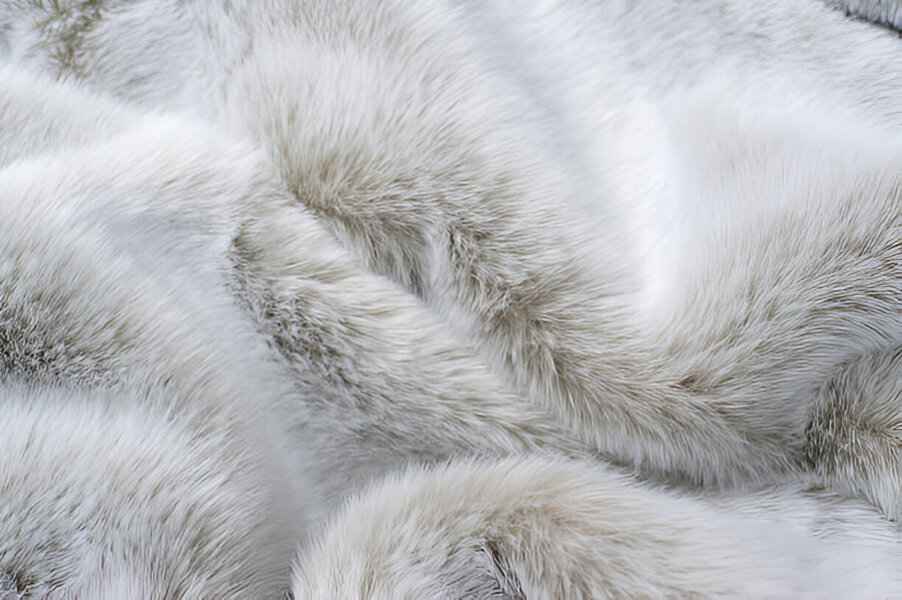
To stop a faux fur blanket from shedding, you’ll need to tumble dry the blanket. But first, ensure the dryer is not in a high heat setting. If it is, set it on a “low heat” and place the blanket in the dryer.
Add some small balls to help loosen excess fibers. After that, dust off the blanket and remove the lint. Generally, there isn’t much you can do to prevent fake fur from shedding.
However, good washing practices, correct material storage, use of mild detergent, and regular brushing should help. Also, washing in a gentle cycle can help stop your faux fur blanket from shedding.
To prolong the lifespan of your fake fur blanket, create proper routine maintenance and avoid overloading your blanket in the washer.
Conclusion
Learning “how to stop a blanket from shedding” is easy, especially when you follow the right procedures. Also, it’s essential to first understand the reasons behind the shed. Use fabric softener when washing, and follow the laundry care instructions if the blanket comes with any.
Also, only clean the blanket once in two months, depending on the manufacturer’s instructions. That way, you will maintain a comfy and cleaner home. If you’re bent on stopping your blanket from shedding lint, remember that prevention is better than cure.
So always take proper care of your blankets to ensure they stay undamaged and comfy for several years. When you implement these practical tips, you are sure to maintain the durability of your blankets, which can last a long time.
FAQs
Why does my blanket have so much fuzz?
The blanket has much fuzz when the material is low-quality or old. Handling and washing wrongly and too frequently can make your blanket leave much fuzz, too.
Why does my blanket keep getting static?
One cause of static in a blanket is when the fibers rub together, creating an imbalance of electric charges. Other factors that could be at play include friction and low humidity.
Why does my blanket always fall off?
Blankets do fall off for a few reasons. Some of them include age and how you use them. If you use an old blanket daily, its fiber will gradually weaken and start falling off. Washing and handling the blanket are another reason it might fall off.