Can You Put A Comforter in a Duvet Cover? (Explained)

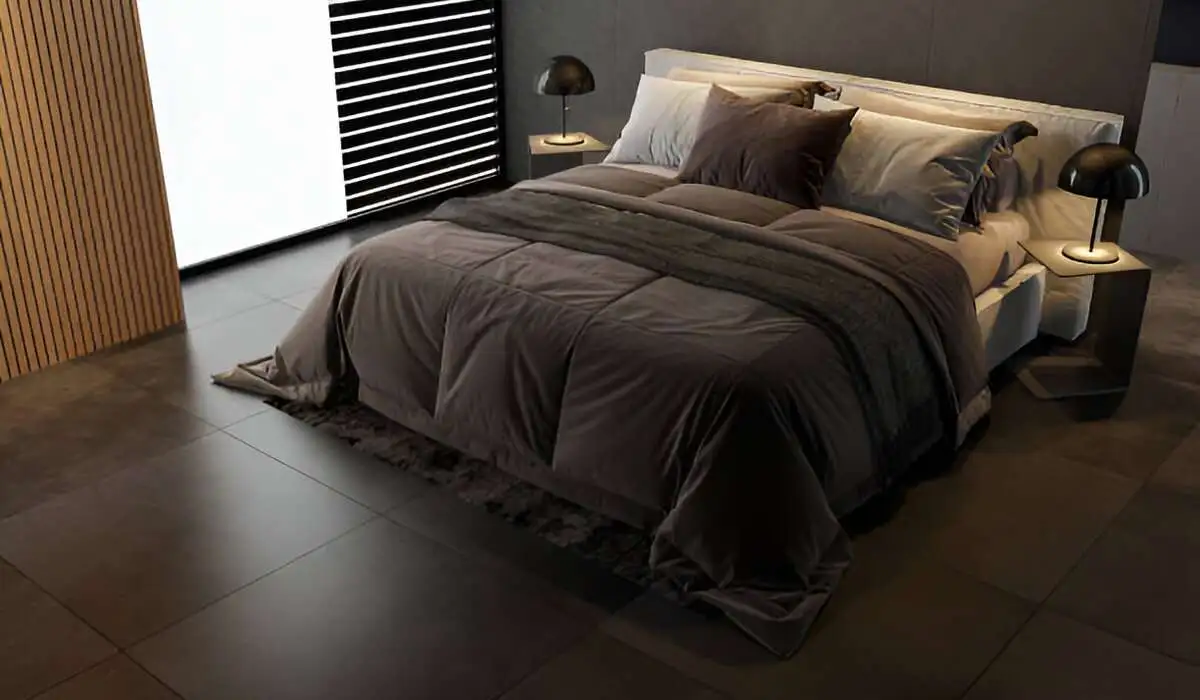
“Can you put a comforter in a duvet cover?” This question has been often asked in the bedding community. Yes, you can put a comforter in a duvet cover! A duvet cover is an excellent way to keep your comforter clean and protect it from wear and tear.
The removable duvet cover allows you to easily wash, maintain, and extend the life of your comforter. Additionally, it adds a sleek touch to your bedroom decor.
But what exactly is a duvet cover, and how does it differ from a comforter? I will explain that and every other thing you need to know in this article.
Table of Contents
What is a Duvet Cover?
A duvet cover is a removable fabric covering designed to encase your duvet or comforter. It provides protection, style, and ease of maintenance. Think of it as a protective sleeve that keeps your bedding clean and fresh. When it comes to materials, you’ll find duvet covers made from:

- soft organic cotton
- luxurious silk
- Durable linen
- Blends of materials (cotton-polyester, etc.).
Essential Factors to Consider When Shopping For A Duvet Cover
The thread count plays a significant role, affecting the fabric’s softness and durability. You’ll see options ranging from:
- Light (150-200 thread count)
- Medium (200-400 thread count)
- High (400-600 thread count).
The weave pattern is another critical factor that impacts airflow, texture, and appearance. You can choose from plain weave for simplicity, twill weave for durability, sateen weave for softness or jacquard weave for intricate designs.
In addition to materials and thread count, consider the closure style that suits your preference. Options include zippered closures for easy on/off, buttoned closures for classic style, tied closures for rustic charm, and envelope-style closures for sleek design.
Ensuring the duvet cover fits your comforter snugly is crucial. Look for standard sizes (Twin, Full, Queen, King), custom sizes for unique comforters, or adjustable fits for versatile use.
Some duvet covers offer unique features, such as waterproof and hypoallergenic materials for sensitive skin.
The Difference Between a Duvet and Comforter
| Duvet | Comforter |
| A duvet is a type of bedding that consists of a soft, insulating bag filled with down or synthetic fibers designed to keep you warm and cozy. It’s typically encased in a fabric cover and often used with a removable duvet cover for easy maintenance and style. Duvets come in various sizes (Twin to Super King) and types (lightweight, hybrid). | A duvet is a type of bedding that consists of a soft, insulating bag filled with down or synthetic fibers designed to keep you warm and cozy. It’s typically encased in a fabric cover and often used with a removable duvet cover for easy maintenance and style. Duvets come in various sizes (Twin to Super King) and types (lightweight, hybrid). |
Benefits of Putting a Comforter in a Duvet Cover
Putting your comforter into a duvet cover is a game-changer—it has many benefits. Below are some of the benefits that come with it.
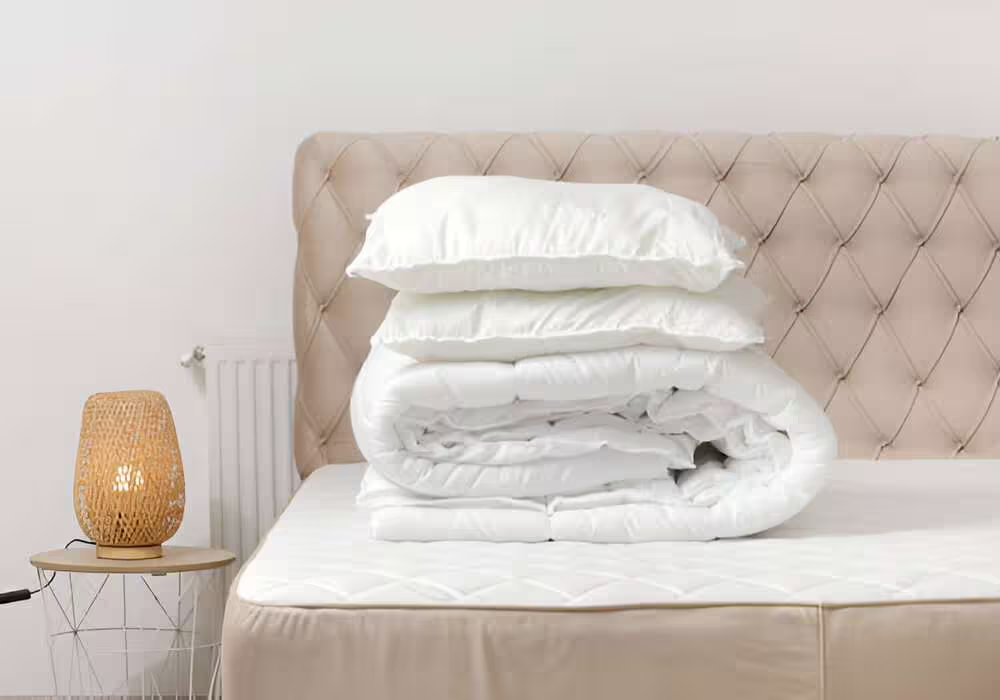
Protection and Longevity
You’ll extend the life of your comforter by protecting it from deterioration, spills, and stains. The duvet cover is a barrier that’ll help to keep your comforter clean and fresh.
Easy Maintenance and Hygiene
No more tedious comforter washing! You just have to remove the duvet cover and toss it into the washing machine. This benefit makes cleaning a breeze, and you’ll love the convenience.
Let’s face it: comforters can harbor dust mites, dead skin cells, and other unwanted guests. A duvet cover keeps these critters at bay, ensuring a cleaner sleeping environment.
Style and Versatility
You can also enhance your bedroom design without breaking the bank. Duvet covers come in various styles, patterns, and materials. You can alternate them seasonally or whenever you want a fresh look.
Temperature Regulation
Duvet covers help regulate temperature, keeping you cozy in winter and cool in summer. Choose breathable materials like cotton or linen for optimal comfort.
Allergy Relief
If you suffer from allergies, a duvet cover can be a lifesaver. Look for hypoallergenic materials and wash the cover frequently to reduce allergen buildup.
Resale Value
If you decide to sell or pass down your comforter, a duvet cover will help preserve its condition, maintaining its value.
The Drawbacks of Putting a Comforter Inside a Duvet Cover
Using a comforter in a duvet cover can be tricky. Corner support can be a significant issue, especially if your comforter doesn’t have ties or loops to secure it. And, of course, there’s the potential size discrepancy between the comforter and duvet cover. Make sure to double-check those measurements!
You might also notice that the loft and fluffiness of your comforter suffer when it’s confined within the duvet cover. The fill distribution can get uneven, affecting the warmth and insulation. And when it comes to closing the cover, the bulk of the comforter can make zipping or buttoning a real challenge.
Some comforters aren’t designed to breathe or regulate temperature. You might find that your comforter traps heat or moisture within the duvet cover, making for an uncomfortable sleeping experience.
Aesthetically, the comforter’s seams, patterns, or stitching show through the duvet cover (this may happen with light duvet covers). It’s not a deal-breaker, but it’s something to remember.
Final Thoughts
You can breathe new life into your bedding by placing a comforter in a duvet cover! With the right fit and compatible materials, this duo offers style, convenience, and versatility. Regardless, find the suitable material and measurements.
Embrace the ease of updating your decor without replacing the entire comforter. Your comforter and duvet cover combo awaits. Refresh, rejuvenate, and sleep beautifully!
Frequently Asked Questions
Can I Use a Duvet Cover Without an Insert?
While technically possible, a duvet cover without an insert would resemble a large, empty pillowcase, offering little warmth or comfort. Duvet covers are designed to hold and conceal a duvet insert or comforter, providing a cohesive and functional bedding setup, so using them together is recommended for optimal comfort and style.
How Do I Know the Perfect Duvet Cover Size for a Comforter?
To find the right size duvet cover for your comforter:
- Measure your comforter’s length, width, and thickness.
- Match these measurements to the duvet cover’s corresponding size.
- Choose from standard sizes: Twin, Full/Queen, King, California King, etc.
How Long Can I Keep A Duvet Cover?
The average lifespan of a duvet cover is 2-5 years, depending on the quality, usage, and care. You can replace your duvet cover every 2-3 years for optimal freshness or sooner if you notice wear or fading.
Can I Use A Duvet Cover As A Bedsheet?
Yes, you can. However, there are more practical options. If the fabric is lightweight, you can use a duvet cover as a temporary solution without a bedsheet.