Bamboo Vs. Microfiber Sheets: Which One is Right For You?

You may have always wondered, “Bamboo vs. microfiber sheets, what are the differences?”. Bamboo sheets offer many benefits; they are ecological, soft in nature, and long-lasting. However, they are not easy to maintain and are pretty pricey.
While microfiber sheets are also durable, they are affordable and wrinkleproof. But does that make it a suitable choice? Well, microfiber sheets are not ecological and are not breathable, either.
Essentially, there are many factors to evaluate before you choose between bamboo and microfiber sheets. These include your comfort, price, and sustainable material.
Practically, both microfiber and bamboo bedding have unique quality, fabric, texture, and sustainability benefits. Whatever you choose, selecting the right bedding option is crucial to having a good night’s rest.
Now, we’ll be taking a closer look at comparing bamboo sheets vs. microfiber, the different characteristics of the two fabrics, their pros and cons, and which to go for. So, if you want to purchase new sheet sets or want some information about these two beddings, this article is for you.
Table of Contents
Bamboo Vs. Microfiber Sheet: Detailed Comparison
As evidenced by the name, bamboo sheets are made from bamboo. That means these sheets have a natural origin with fewer harsh chemical treatments than other alternatives.
On the flip side of the coin is the microfiber sheet. Unlike bamboo sheets derived from a renewable resource, microfiber bed sheets result from different chemical constituents.
However, microfiber sheets still have a similar resemblance to bamboo, making them a durable fabric. As mentioned earlier, we shall compare bamboo and microfiber sheets, highlighting their peculiar features.
The table below captures every quality worth knowing about bamboo and microfiber sheets.
| Bamboo Sheets | Microfiber Sheets |
| Natural fiber | Synthetic |
| Limited patterns | Multiple patterns available |
| Eco-friendly | Non-eco friendly |
| Expensive | Affordable |
| Enhanced breathability | Average breathability |
| Increased hypoallergenic feature | Average hypoallergenic feature |
| Tendency to wrinkle | Wrinkle-resistant |
Bamboo Sheets
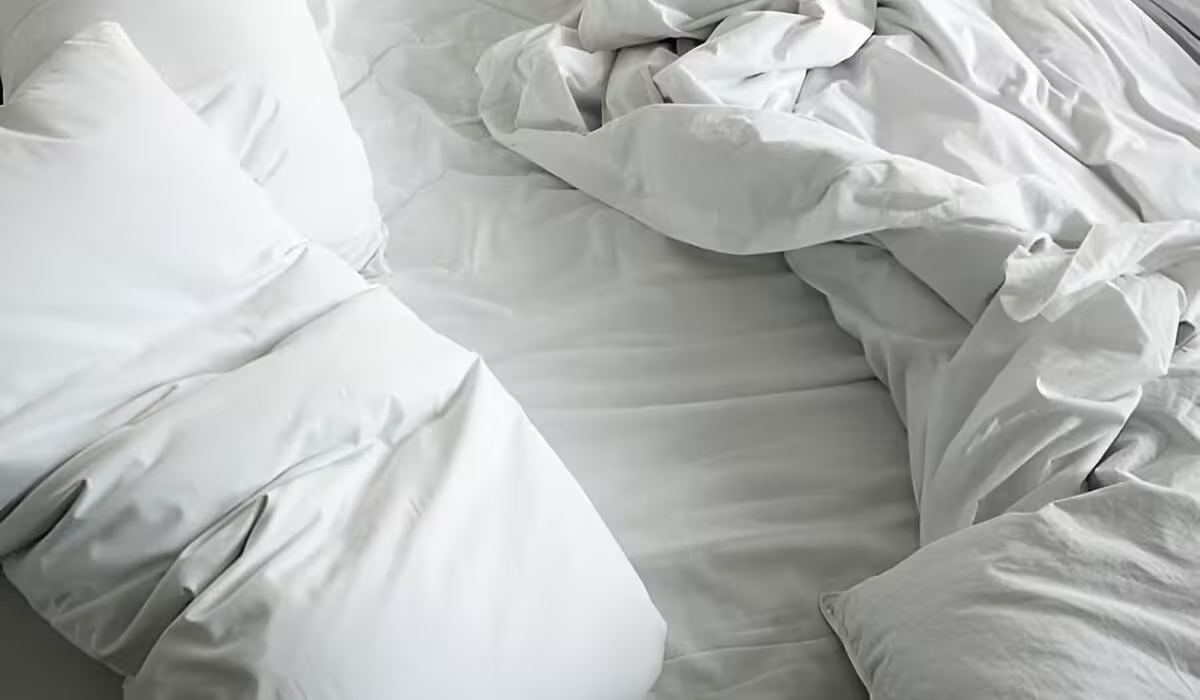
Here are some of the qualities of bamboo textiles worth considering:
Comfort and Softness
The foremost feature that makes a bamboo sheet a durable fabric is the extra feeling of softness. It all leads back to the sheet’s natural origin.
Unlike other materials, bamboo fabric is incredibly soft and can absorb moisture. Also, the sheets are known for getting softer with frequent washing.
There are two significant ways of processing bamboo fabric: viscose or rayon. Although both are made from bamboo, one is more natural than the other.
Nonetheless, the result is a silky, soft, smooth sheet in both cases.
Temperature Regulation
Breathability is an essential factor to consider when selecting a sheet and one of the most vital qualities of a bamboo sheet.
Given the naturalness of the bamboo pulp, the sheets are known to have enough tiny spaces to permit airflow, improving its moisture-wicking properties.
On the one hand, abundant airflow improves temperature regulation, preventing heat accumulation after prolonged use.
This means that for hot sleepers who generate heat while dozing, that problem ceases to arise with bamboo sheets.
On the other hand, because the spaces between bamboo fibers are tight enough, the sheets can retain heat during cold weather.
Overall, there are natural materials that strike a balance between conserving and reducing heat. Bamboo sheets are one of those sheets that have good body temperature regulation qualities.
Hypoallergenic Properties
Studies show that 84% of homes in the U.S. record at least one case of allergy due to dust mites and other vermin.
Due to their antimicrobial nature, bamboo fibers seldom harbor dust mites, mold, or bacteria that cause allergies.
If one were to pick one of the easiest ways to prevent allergy for folks with sensitive skin, the first option would be to go for bamboo bedding.
While using your bamboo sheets, you’ll find that apart from the drop in allergic occurrences, the bamboo material doesn’t get dirty quickly, reducing needless watching.
Durability
It’s pretty surprising how something so incredibly soft can still be quite durable. That’s because the intrinsic strength of each fiber strand confers longevity on the sheets.
And even though bamboo sheets tend to shrink, you’ll hardly see ugly loose threads sticking out of your mattress. In a nutshell, your material will not only last for a long time but won’t look ragged.
Environmental Impact
Here’s one less discussed but important reason for choosing bamboo bed sheets. From cultivation to harvesting to processing, the plant proves to be eco-friendly.
For example, during the cultivation period, bamboo grass and stalks require little water, nor do they need chemical applications like pesticides.
Furthermore, little pesticide application means little chemical residue. If processed naturally, the outcome is a product without environmental impact.
Microfiber Sheets
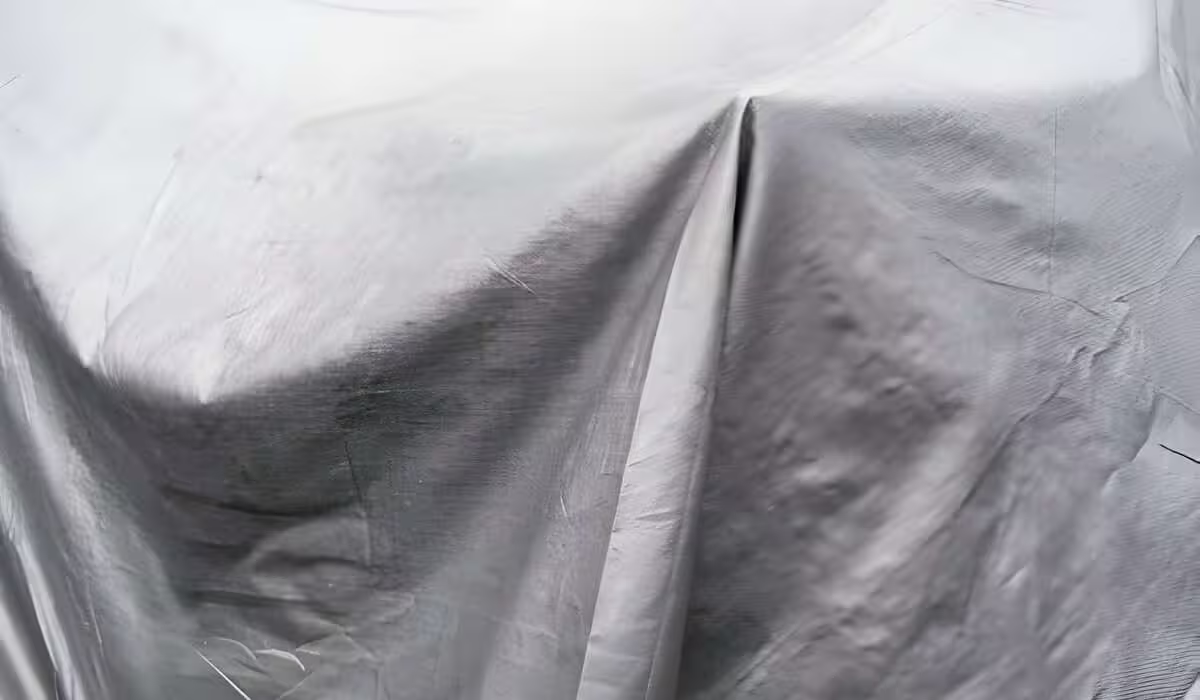
Microfiber bed sheets are among the popular bedding material options out there. Synthetic in nature, all microfiber sheets come from artificial materials.
Nonetheless, you should know some qualities worth noting about these artificial sheets.
Affordability
Of course, the price advantage feature is up there when discussing the best qualities for buying a microfiber sheet.
Regarding cost-effectiveness, a microfiber bed sheet is your go-to option. With a microfiber bed sheet, you can get all the qualities in most luxurious sheets, such as durability, breathability, softness, etc.
Easy to Maintain
Due to their natural nature, cotton sheets and bamboo textiles require much more care than microfiber sheets.
After frequent washing, bamboo sheets may wrinkle, but you’ll notice that microfiber sheets retain their fabric strength and color.
Plus, when you take them out of the washing machine, they dry much faster than the other beddings you’re probably used to.
It’s true. Top-tier standards are what microfiber bed sheets have compared to other synthetic fibers.
Shrinking, fraying, and tearing won’t be as common as expected because of the elastic properties of microfiber sheets.
Moisture Wicking and Breathability
Since microfiber is made from synthetic material, you’d think its breathability would be poor. On the contrary, this artificial fiber demonstrates superb moisture-wicking properties, almost on par with natural alternatives.
Microfiber bedding will reduce dampness or sweaty stickiness, especially during periods of hot sleep. While it’s true that they don’t have that mystic cooling sensation that bamboo bedding alternatives have, they can still help you get a good night’s sleep during warm weather.
Softness
Surprisingly, microfiber sheets turn out super soft after manufacturing despite being produced from artificial materials. Some even say that microfiber sheets are more comfortable than coarse cotton alternatives.
The above statement stands to reason because more thoroughness and attention go into producing microfiber sheets than other synthetic fibers.
The outcome is a soft, silky replica of the alternative of natural-feeling cotton and bamboo sheets, which confers comfort during sleep.
Hypoallergenic Features
Yes, there are synthetic materials with hypoallergenic features, such as microfiber sheets.
These synthetic materials undergo a more detailed manufacturing process to ensure fabrics are sewn much tighter than usual.
The tighter the space between fabrics, the more difficult it is for dust mites to dwell in those spaces.
Ultimately, the microfiber sheet is fully adapted for sensitive skin prone to allergies.
What Are the Pros And Cons of Bamboo Sheets?
When comparing bamboo vs. microfiber sheets, you must know what makes either stand out.
Here are some of the advantages and disadvantages of using bamboo sheets.
Pros of Bamboo Sheets
Luxury Appeal
Bamboo and Egyptian cotton sheets accentuate the decor of the main bedroom, giving a luxurious feel.
Bamboo sheets will provide that posh bedroom aesthetic if you pride yourself on creating the best ambiance and focusing on luxury.
Smoother Feel
The bamboo pulp inside the stalk is quite soft, making the end product even softer after refinement. You may want to spread on the bed without clothes and feel your skin glide through the sheets.
If you’re looking for the smoothest, silkiest feeling, the bamboo sheet is one of the best options.
Cooler Sensation
The breathability feature is one of the advantages of using a bamboo bed sheet. Numerous natural spaces between the bamboo fibers allow for complete air circulation.
During humid, warm seasons, you’ll find sleeping on bamboo bedding cooler and drier than other sheets.
Longer Usage
Bamboo sheets last long after frequent use due to the intrinsic strength of each fiber that makes up the sheets.
If you avoid hot water and only use warm or cold water with mild detergent, it will take a very long time before you start seeing any signs of fraying or discoloration.
Eco-friendly Material
The eco-friendly feature of bamboo bed sheets is an added factor worth considering for people who are conscious of the environmental impact.
Growing bamboo trees requires little or no chemical addition that negatively affects the earth. Also, depending on the manufacturing process, fewer chemicals may be introduced.
Even upon disposal, the sheets decompose faster and leave less harmful residue than other sustainable materials with synthetic origins.
Cons of Bamboo Sheets
Expensive
As a result of using natural resources while sticking to best eco-friendly practices, it generally costs more to produce bamboo beddings.
Consequently, the production cost drives up the end product’s price, making bamboo bedding slightly more expensive than other alternatives.
Limited Varieties
The selective process that goes into making bamboo sheets narrows down manufacturing options.
With limited manufacturing methods available, it’s no wonder why there aren’t too many bamboo-derived varieties available.
Difficult to Wash
Undoubtedly, bamboo sheets have more durability than most alternatives. However, what’s less mentioned is that without proper care, the sheets won’t last as expected.
Bamboo sheets tend to shrink or discolor due to wrong washing techniques.
That’s why warm or cold water is essential, but never hot water when washing. Also, avoid using fabric softeners when cleaning bamboo sheets.
What Are the Pros and Cons of Microfiber Sheets?
Here are some advantages and disadvantages of comparing bamboo vs. microfiber sheets.
Pros of Microfiber Sheets
Low Cost
Microfiber sheets generally don’t cost as much as other bedding alternatives.
However, the low cost doesn’t make this product inferior, as you can still get a blend of all the superb qualities typically found in higher-thread-count material.
Softness
Even with synthetic origins, microfibers still feel smooth to the touch. There’s more than enough refinement during the production process to make the overall texture comfortable on the skin.
Although they may not be as silky as cotton or bamboo sheets, they resist wrinkles and last longer.
Varieties
Since microfibers are derived from artificial constituents, numerous methods and resources are used during production.
The countless availability of resources ensures a wide array of products are produced. In other words, you are more likely to find microfiber sheets in different patterns and styles than other options.
Durability
The durability enjoyed is another advantage of using microfiber sheets. If you’re looking for something that’s wrinkle-resistant, shrink-resistant, and doesn’t fray at the edges, then microfiber sheets will suffice.
Furthermore, because of the synthetic, elastic nature of the material, spilled liquid easily rolls off microfiber sheets.
This means stains from liquids and body oils won’t stick and form ugly patches on your bedding if you clean up fast.
A Bonus Tip
For more extended usage, avoid fabric softeners, as they tend to accelerate wear and tear in fabrics.
Cons of Microfiber Sheets
Reduced Breathability
Both microfiber and bamboo sheets have moisture-wicking properties. But, while it’s true that synthetic fabrics bear similarities with organic products, some folks still prefer the organic variety.
People who are long-term users of natural organic materials, however invisible, may spot the difference and discomfort it confers.
Chemical Triggers
Those with hypersensitive skin may develop skin irritations due to the chemical constituents of microfiber materials.
Environmentally Unfriendly
As with everything synthetic, there’s a tendency that manufacturing may leave some undesired effect on the environment.
Microfibers are also not environmentally friendly because they aren’t biodegradable. Unlike organic bamboo sheets, they take longer to decompose when disposed of.
May Lint Ball
Because of their unnatural nature, microfiber sheets may lint ball or pill often, especially when repeatedly washed. If the sheets continue pilling, they will age over time, possibly leading to constantly replacing your sheets.
Bamboo Sheets Vs. Microfibers: Which is Better?
Both bamboo and microfiber bed sheets are excellent bedding materials, each having distinct advantages.
For example, if you’re looking for something budget-friendly that still ensures durability, comfort, and variety, it’s advisable to go for the microfiber option.
However, if the price is no concern, but instead, selecting a superior quality 100% natural sheet with luxurious appeal and breathability is a priority, the bamboo sheet wins.
The bamboo sheet is also eco-friendly because it’s a renewable resource. So, if environmental impact is your top priority, organic bamboo should be among your favorite sheets.
It’s important to note that not all bamboo-derived beddings are natural.
There are a few varieties whose material contains more chemical compositions because of the way they were produced.
Therefore, you should only choose 100% certified natural products when shopping.
Bamboo Vs. Microfiber Sheets: Final Thoughts
Whether you choose the bamboo or microfiber sheet, rest assured, at the very least, you’ll have a comfortable material for your mattress.
Nevertheless, there are factors worth considering that will shape your decisions between bamboo sheets vs. microfiber sheets.
These factors include comfort, durability, environmental impact, price, and allergy resistance. Picking the material best suited for you is all about knowing your personal preferences and the sheets tailored to those preferences.
FAQs
Do Bamboo Sheets Wrinkle Too Much?
Bamboo sheets are less prone to wrinkles than other sheet types because of their natural fiber properties. In addition, bamboo textiles are woven tightly with a higher thread count. They are also pre-washed to minimize wrinkles.
Are cooling sheets important?
Cooling sheets are important because before we sleep, our body carries out different metabolic and physical processes to prepare them for sleep. Among these processes is thermoregulation, which controls our body’s internal temperature.
While asleep, your bed sheet can absorb body heat and make you uncomfortable. Cooling sheets exist to reduce the temperature that fluctuates at night and interrupt rapid eye movement (REM) during your sleep.
Is bamboo more absorbent than microfiber?
Microfiber sheets absorb more quickly, while bamboo sheets absorb quite slowly. However, cotton absorbs slightly faster than microfiber but at the same speed.
Do bamboo sheets absorb body oil?
Yes. Bamboo sheets can absorb your body oil. The stain may not be noticeable if you have a white bamboo sheet. However, the stain may be detectable on a dark-colored bamboo sheet. Blood and sweat are other types of stains that may infiltrate your bamboo bedding.