Bamboo vs Linen Sheets: Which One is Right For You?

Bambo vs linen sheets has been one of the most debated topics in the bedding industry. In fact, the competition between these bedding sheets is tight. But with this detailed comparison, you’ll know the difference.
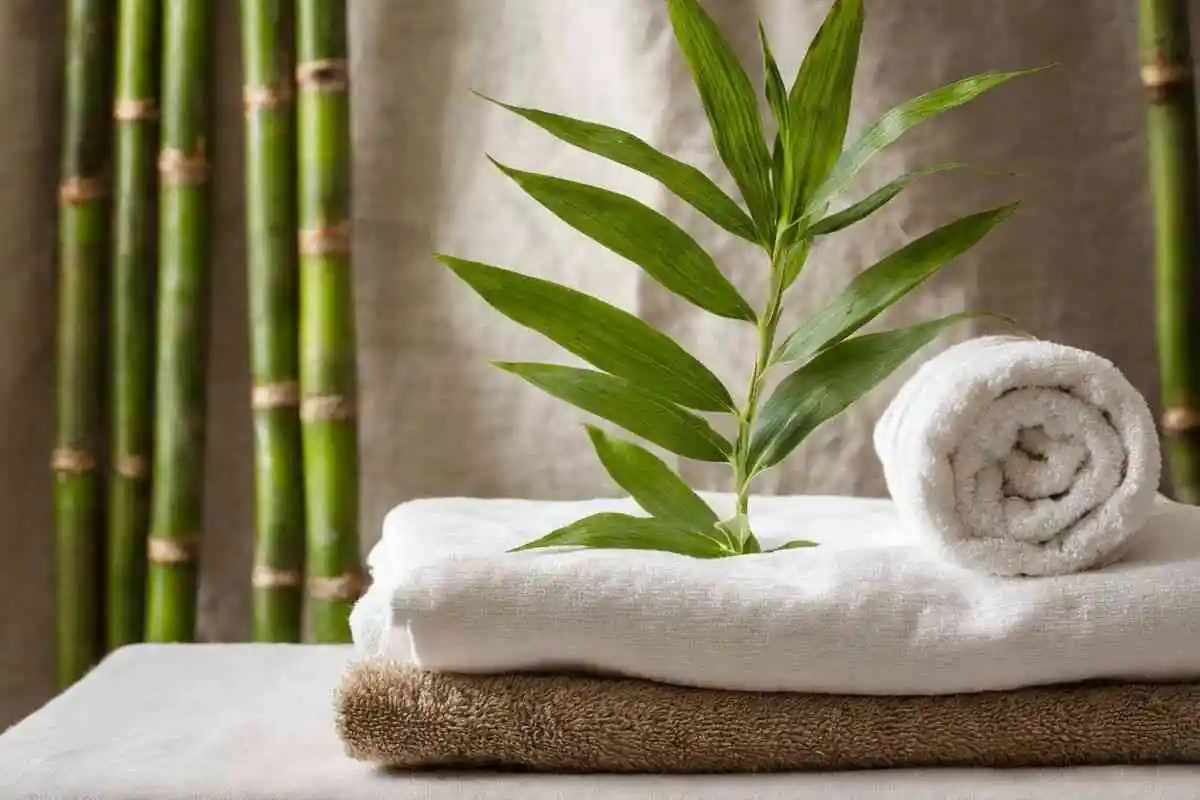
Linen and bamboo sheets are great for sleepers who need an eco-friendly material to sleep on. Bamboo sheets are made from the pulp of bamboo plants, while linen sheets are made from the stems of the flax plant.
However, both sheets are breathable, durable, and natural. So, it can be difficult to choose the best between the two. This article will highlight a detailed comparison between these two-bed sheets, including their unique features, durability, comfort, and even reliability.
We also included some tips and recommendations on how to choose the right bedding that will give you a dreamy sleep.
Table of Contents
Bamboo Sheets vs Linen Sheets: What’s the difference?
Although linen and bamboo sheets are among the best fabrics for bed sheets to buy, they’ve got some differences. In this section, we’ll compare linen vs. bamboo sheets.
Durability
When comparing bamboo vs linen sheets, both are strong and durable. Also, they’re resistant to shedding and pilling, especially bamboo. However, you need to care properly for both bed sheets to make them last long and retain all their beneficial properties.
If you wash them incorrectly, they may get damaged and won’t last as long. Both fabrics should be washed on a gentle cycle with mild detergent free of harsh chemicals. Bamboo tends to be more durable than linen, but it also has stricter requirements when it comes to washing and maintenance.
So, if you want a more durable fabric, go for bamboo viscose sheets, but if you want something easier to care for, try linen. Most importantly, ensure you adhere to the care instructions on the label of your bedding.
Comfort
Bamboo beats linen when it comes to comfort. Although linen bedding becomes softer as time passes, bamboo bed sheets are silky smooth and super soft from the moment you first try them.
On the other hand, linen bed sheets often have a textured, crisp feel, even as they become softer. Also, bamboo is a better choice for those with sensitive hair or skin.
True, everyone has varied preferences as it relates to comfort, so this is really a matter of personal taste. People who prefer a silky texture will most likely opt for bamboo, while those who like more textured materials will like linen.

Temperature
Is linen cooling? Of course, linen and bamboo are cooling sheets. Both are highly breathable fabrics, but linen is more lightweight. Hot sleepers prefer bamboo bed sheets because they’re moisture-wicking, breathable, and feel cool to the touch. But, those who sleep cold will be satisfied with linen.
In addition, bamboo and linen have thermoregulating properties. This means they’ll cool you down if you’re hot. Interestingly, they can also warm you up if you’re too cold. However, linen has more of an ability to keep you warm than bamboo sheets.
Environmental Impact
Natural fabrics like linen and bamboo have a strong environmental impact. They’re fully biodegradable as long as they don’t contain any synthetic dyes.
However, if environmental impact is the major concern for you, bamboo is a better choice. It requires a less intensive manufacturing process than linen to turn it into fabric. Additionally, the bamboo plant itself is much more sustainable.
As earlier stated, bamboo grows extremely fast and requires no pesticides and minimal water. Plus, it improves soil quality as it grows.
Linen can also be a great choice for the environment, though only if you choose a brand that makes organic linen sheets with a low-impact manufacturing process.
Water Resistance
Linen sheets are highly absorbent, while bamboo sheets are very moisture-wicking. While bamboo doesn’t just absorb moisture but allows the moisture to evaporate, linen can absorb a lot of moisture before becoming wet.
So, while both bed sheets are great for those who tend to sweat at night and want to stay dry and cool, bamboo is the ideal choice for excessively sweaty sleepers or those who like to keep a glass of water by their bedside.
Bacteria Resistance
These two are great antibacterial bed sheets. Both have antimicrobial properties, meaning they resist bacteria accumulation as you sleep on them daily.
They’re also resistant to dust mites. This means that you won’t have to wash them as frequently as sheets that aren’t antimicrobial because they’ll remain cleaner in between washes.
However, the bamboo sheet is more antimicrobial than linen. So, if bacteria resistance is a primary concern for you, bamboo fabric is made of cellulose fiber that is extracted from natural bamboo. Making it the best antibacterial sheet because of its rapid growth-resisting bacteria.
Furthermore, bamboo’s natural antibacterial properties are the reason it’s always organic and doesn’t need pesticides to grow. There’s a scientific study from The Journal of The Textile Institute that compares cotton vs bamboo sheets and shows that bamboo is more moisture-wicking and antibacterial than cotton bed sheets.
Bamboo Sheets: What Do They Feel Like?
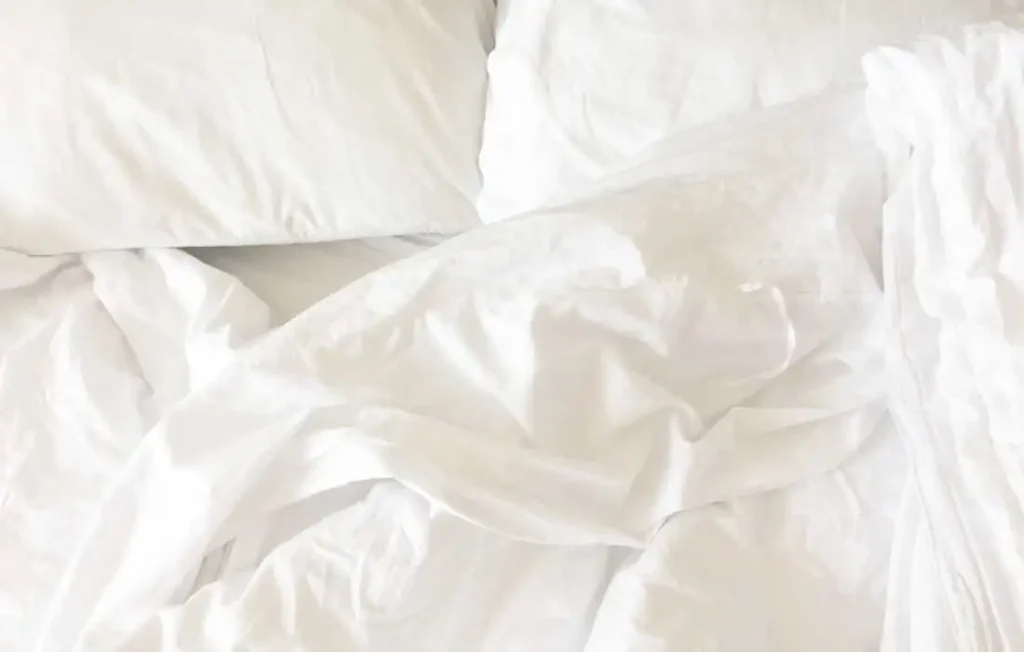
Bamboo is a natural fiber (obtained from breathable bamboo plants) with a luxurious and soft feel. Bamboo requires zero pesticides and minimal water to grow, and it grows super fast. Interestingly, it improves the quality of soil in the area where cotton and linen grow.
Although bamboo bed sheets feel soft, not all of them are the same. Some are a mix of bamboo fibers with other fabrics (like cotton). This mix is a way to cut costs and produce cheaper bedding, but their quality can’t compare to pure bamboo sheets.
Pure bamboo viscose sheets go through sateen weaving, making the sheets feel more luxurious than the thread count suggests. It may have a thread count of 500, but I feel like it has over 2500.
Bamboo bed sheets are known for their breathability, durability, and softness but are relatively more expensive than cotton. They’re a great choice for those who want an eco-friendly and comfortable bedding. Also, they’re more hypoallergenic and moisture-wicking than Egyptian cotton sheets.
- Comfortable and soft: Bamboo viscose sheets are naturally breathable and smooth, making them super soft and comfortable to sleep on.
- Moisture-wicking: Bamboo beddings have a unique structure that allows them to wick moisture away from the skin, keeping you dry and cool.
- Eco-friendly: Bamboo fibers are renewable and sustainable natural fiber resources. They make bamboo viscose sheets more environmentally friendly and eco-friendly than traditional cotton sheets.
- Durable: The bamboo sheet is known for its durability and can last even longer if properly cared for, especially in varieties such as higher thread count sheets and bamboo rayons.
- Hypoallergenic: Quince bamboo sheets are naturally free of harsh chemicals and are ideal for people with sensitive skin or allergies.
- Shrinkage: Bamboo bedding can shrink when washed. So, it’s vital to adhere to the care instructions carefully and use cold water when cleaning.
- Cost: Bamboo bed sheets can be more expensive than twill weave cotton or sateen weave. However, over time, they’ve become cost-effective. Also, some sheets with a lower thread count are more cost-effective.
- Availability: Bamboo bedding is more difficult to find in stores than more conventional fabrics like traditional cotton. So you may have to purchase them online.
Linen Sheets: What Do They Feel Like?
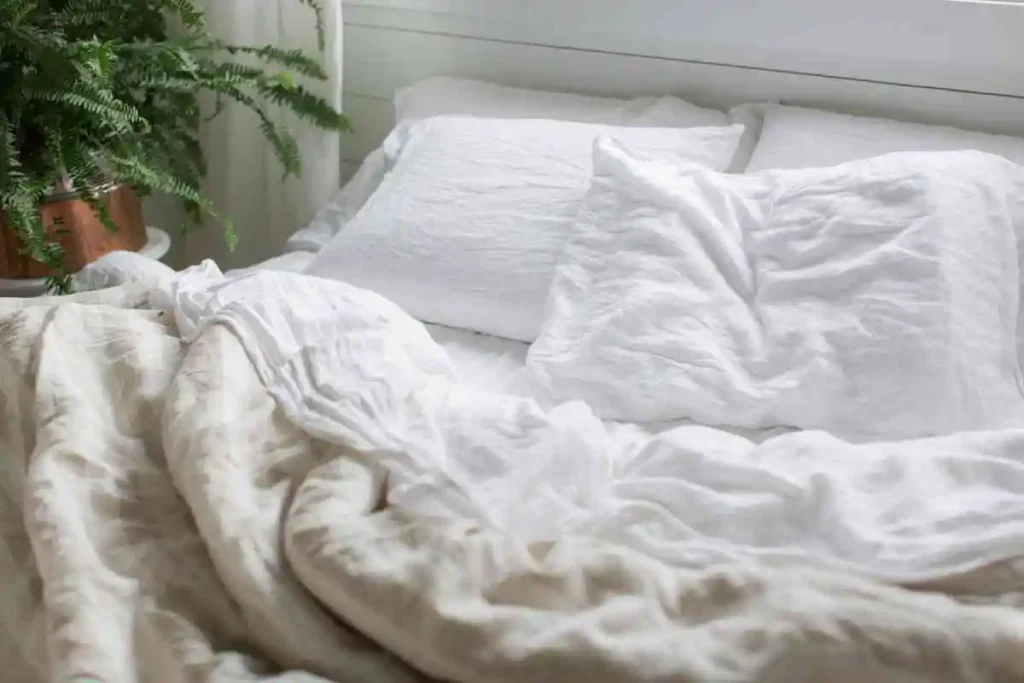
Linen bed sheets come from the natural fibers of the flax plant. They tend to be stiff when new but get softer with each wash. Also, they’re lightweight and don’t have a thread count measure. Usually, linen sheets are assigned a weight to afford you a sense of how tightly woven the fabric is.
That’s because linen materials are thicker than most other fabrics. So, thread count isn’t a reliable measure for linen fabrics. Besides, they’re highly absorbent and not particularly water resistant, so they are a great choice for those who tend to sweat in their sleep.
Similarly to bamboo, linen sheets have cooling properties. Also, linen is environmentally friendly because flax plants absorb carbon and turn it into oxygen as they grow. These sheets are known for their durability, breathability, and unique texture.
Linen is a hypoallergenic natural fabric. Since it’s cool to touch, it is a popular choice for a hot sleeper and hot summer nights. They have a unique crinkled texture, adding to their rustic charm.
Lastly, linen sheets are relatively more expensive than cotton but improve with age. They can be found in various sizes and styles to fit standard bed sizes. Let’s look at the pros and cons of linen sheets.
- Breathable and cool: Linen bed sheets are naturally breathable and wick away moisture, making the sheets comfortable and cool to sleep on, especially during hot summer nights.
- Hypoallergenic: Linen fabrics are hypoallergenic, which can be beneficial to people with sensitive skin or allergies.
- Durable: Linen bedding is known for its durability. It can last up to 20 years if taken proper care of, making it more cost-effective despite a luxury price tag.
- Eco-friendly: Linen is a renewable and sustainable resource, making bedding a more environmentally friendly option than other materials. Also, it requires fewer pesticides and less water to grow.
- Unique texture: Linen bed sheets have a unique texture from being tightly woven, which adds to their rustic charm.
- Availability: Linen bedding may be hard to find in stores, so you may have to make purchases online.
- Wrinkling: Linen fabrics tend to wrinkle more than bamboo and cotton. So, they require frequent ironing or steaming to look their best. However, some people enjoy natural wrinkles as part of the linen’s charm.
- Cost: Linen sheets can be quite costly.
- Shrinking: Linen materials can shrink when washed. So, endeavor to follow the care instructions carefully.
Choosing Between Bamboo vs Linen Sheets
Bamboo vs linen, which is better? If you’re still unsure as to why bamboo sheets are good or if linen sheets can keep you cool, here are a few recommendations for you.
Choose bamboo bed sheets if…
- You want a cheaper option than linen that still feels luxurious and cool;
- You dislike wrinkled sheets. Many bamboo weaves will remain silky and smooth for days on the bed.
- You don’t want to break in your new bedding. Bamboo sheets will feel more soft right out of the package.
Choose linen sheets if…
- You prefer an all-natural sheet set.
- You desire highly durable sheets that can last a lifetime.
- You want sheets that’ll get softer over time.
FAQs on Linen Sheets vs. Bamboo Sheets
Are Bamboo or Linen Sheets Better?
Overall, the best sheets depend on your preferences. Bamboo bed sheets are best for sleepers who want to avoid wrinkled bedding and desire ultra-soft bedding. Linen sheets are best for sleepers who want all-natural, ultra-durable sheets. Notwithstanding, both fabrics are great for hot sleepers.
Are Bamboo Beddings Softer Than Linen?
Bamboo sheets are usually softer than linen sheets. But after using linen for several months with frequent washings, it breaks in and becomes softer than bamboo. However, the initial plushness of bamboo tends to make it the better choice for sleepers with sensitive and delicate skin.
Are Linen Sheets Scratchy?
New linen bed sheets can feel stiff, coarse, and even scratchy when out of the box, depending on how they’ve been chemically treated. This is why we always advise that you wash new sheets before using them. However, linen beddings, especially organic linen, seem to soften significantly with use.
Are Bamboo Sheets Good for Hot Sleepers?
Overall, natural fabrics are more breathable than synthetic fabrics. Bamboo is breathable and lightweight, but linen is more cooling, making it the ideal choice for hot sleepers. Other materials like cotton and eucalyptus are great, too. These materials allow for ventilation and also absorb moisture.
Are Linen Sheets the Same as Bamboo Sheets?
Linen and bamboo sheets aren’t the same. Linen fabrics are made from flax fibers, while bamboo sheets are made from bamboo fibers. However, both bed sheets are cool and lightweight.
Is Linen Cooling?
Bamboo and linen can keep you cool. But linen is incredibly cooling. It has more cooling properties than bamboo because of its looser weave.
Final Words
You’ll most likely get to wrap yourself up in your bed sheets for about 8 hours, so you must settle for the airy and cozy ones. If your bedding isn’t high-quality, durable, and comfortable, you’ll feel restless all night.
Linen and bamboo sheets have their advantages and drawbacks. Bamboo bedding is more affordable and eco-friendly, while linen sheets are more breathable and durable. Overall, the comparison between bamboo and linen sheets boils down to your personal needs and preferences.
Instead of getting overwhelmed in the linen vs bamboo sheets battle, opt for bamboo if environmental impact is your primary concern. But if you want durability, an incredibly soft feel, and a higher thread count, settle for linen sheets.