
The Ultimate Guide to Choosing a Solid Surface Shower Pan


Have you ever considered having a quick shower splash and a relaxing spa experience in your bathroom? Choosing the right shower pan can make all the difference. A solid surface shower pan is all you need to make it happen.
A solid surface shower pan combines luxury, durability, and comfort. These shower beds are made from non-absorbent materials like acrylic, fiberglass, composite stone, etc.
However, because of the numerous materials in the market, it’s often difficult to decide which shower pan to choose from. This guide will walk you through everything you need about solid surface shower pans.
We’ll also talk about the materials and what to consider before making a buying decision to ensure your choice is both beautiful and practical.
Table of Contents
- 1 What is A Solid Surface Shower Pan?
- 2 Shower Pan Vs. Shower Base: Know Their Differences
- 3 Types Of Materials Used in Solid Surface Shower Pans
- 4 What to Consider When Choosing a Solid Surface Shower Pan
- 5 how to build A Solid Surface Shower pan base
- 6 installing a solid surface Shower Pan on the base
- 7 Shower Pan Threshold Options
- 8 Pros and Cons of Solid Surface Shower Pans
- 9 FAQs on Choosing a Solid Surface Shower Pan
What is A Solid Surface Shower Pan?
A shower bed, also called a shower pan, is a distinct area (a waterproof barrier) in a walk-in shower that channels and maintains water flow to the drain. In a nutshell, a solid surface shower pan is the stone floor of your shower.
The stone shower base has a slow floor and a draining hole that guides water to travel correctly on the shower floor. Also, it keeps water from getting into the walls and floor of your home.
Shower pans are easy to install, and their installation kits come in different sizes. They’re about 2 to 5 inches tall and resemble a shallow sink. They help direct water from the shower into the drain, preventing leaks and flooding.
Although they’re an unsung hero in the washroom, a shower pan is the best alternative to a tiled shower floor with high-maintenance grout lines. You need one in your bathroom because it’s a sure way to waterproof your shower enclosure.
Most building materials aren’t waterproof and are at risk of water damage. Hardwood cabinets, floors, and drywall are prone to uncontained water damage.
However, all shower pans are different. They reduce the risk of water damage in non-waterproof bathroom areas. Choosing the right shower pan to avoid future high-maintenance problems when considering a bathroom remodel.
Shower Pan Vs. Shower Base: Know Their Differences

A shower base and a shower pan direct water into the drainage, but there’s one significant difference. The “shower base” is the structural base underneath the shower floor.
This structural base is made of mortar or cement. It protects the surrounding shower area and helps direct water into the drain.
In contrast, the “shower pan” is a composite or acrylic insert installed on top of that substructure (the shower floor). Sometimes, shower pans are called shower bases.
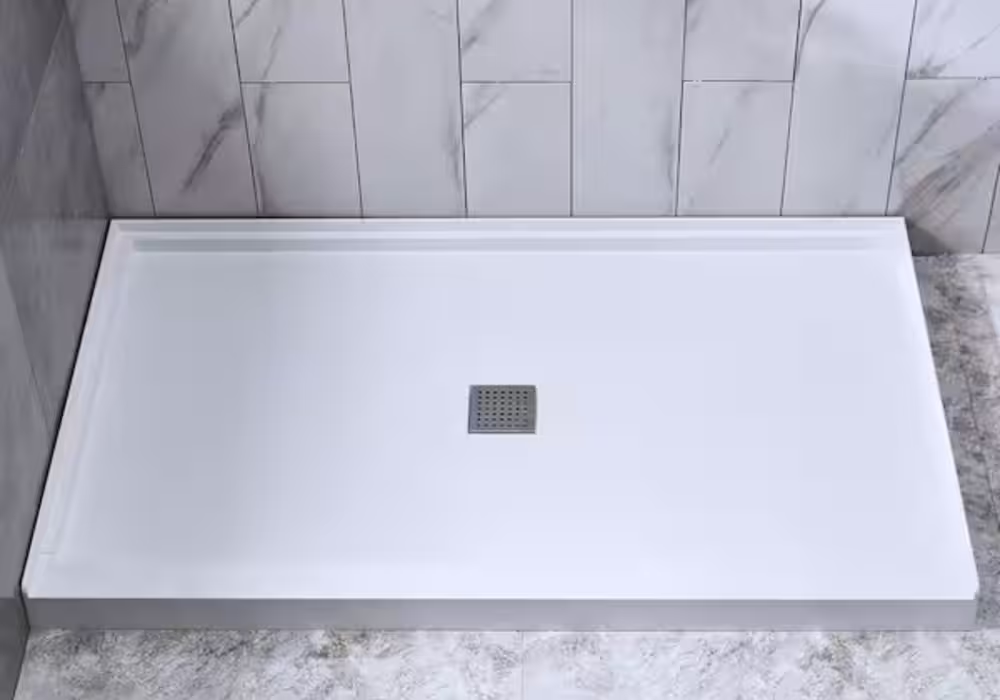
A solid surface shower floor ranges between 32″ x 36″. Placing a sealant or liner under the shower pan before the mortar will ensure it doesn’t get wet. If you replace an old one with a new standard-size solid shower pan, use liner or sealant.
Types Of Materials Used in Solid Surface Shower Pans
There are different types of shower pans, but the most common types are composite, fiberglass, acrylic, custom title, and cast iron. So, when choosing the best solid surface shower pan for your bathroom, ensure they are made with any of the materials below.
Composite
Composite shower pans consist of two or more materials. Combining these materials helps create qualities far better than the starting materials. Most times, composites include durable gel coat finishes.
Fiberglass
Fiberglass shower pans are polyester resin mixed with woven glass fibers and poured into a mold. They’re less expensive compared to other shower pan materials. Plus, their repairs are cheap. However, fiberglass is more susceptible to stains and damage. So, you might need to plan a replacement soon.
Acrylic
Acrylic shower pans contain large acrylic sheets heated, stretched into a mold, and reinforced with other materials. Acrylics are plastic-based materials. These pans are functional, easier to maintain than natural stone or tile, and durable, though less than composites.
They’re commonly used for bathtub and shower enclosures because they’re easy to produce and highly waterproof. Although they need fewer repairs, the cost is slightly expensive because of the likely weak spots in the material during production.
However, they only come in select sizes since they’re manufactured products. If you need a more custom-shaped or sized quartz shower pan, an acrylic pan may not be the best fit for you.
Unfortunately, acrylic decorative shower pans lack visual appeal and mostly come in just one color – white. However, you can use a different material for your shower walls to add style and variety since the engineered stone shower pan only covers the floor.
Custom Tile
These shower pans offer an exquisite look but have their cons too. Custom tile shower pans require higher expenses in terms of both labor and materials. The grout between tiles is prone to wear and can be challenging to keep clean.
Before installing a custom tile shower pan, install a substructure underneath. Besides, tile installation is difficult and time-consuming. This is the most customizable shower pan option. It allows you to create the uniqueness you desire.
A custom tile shower base has large and small tiles in almost all existing colors. It is the best option for showers that don’t meet the standard shape for prefabricated shower pans. It’s also perfect for those who desire unparalleled customizability and visual appeal. This soapstone shower pan aligns well with custom tile shower walls or other luxury shower enclosures like stone slab shower walls.
Cast Iron
Remember the olden days of cast iron footed bathtubs? The cast iron shower pan is proof of the saying – “If it ain’t broken, don’t fix it.” Cast Iron is an excellent material for solid shower pans because it’s heavy and strong.
Also, it offers a timeless, classic visual element for any bathroom. However, it has its challenges, too. A cast iron stone-looking shower pan has a solid-iron core coated with high-strength enamel.
Cast iron pans are the most durable material on the market. Like fiberglass, they only come in select sizes and colors and do not suit oddly shaped showers.
Additionally, they’re super expensive and heavy, making them difficult to install. But rest assured, the chances a cast iron shower pan will outlast everything else in your bathroom is high.
What to Consider When Choosing a Solid Surface Shower Pan

Every shower pan has its advantages as well as disadvantages. So, you can only choose the one that’ll work best for your bathroom according to your preferences, budget, and personal needs. We’ve compiled a list of factors to consider when choosing the best solid surface shower pan.
Visual Appeal
To be able to choose the suitable shower stone base for you, you must consider how its visuals will interact with the entire bathroom. Usually, people choose their shower wall before they select the shower pan so that the pan will complement or match the visual elements of the shower walls.
Making a choice is even easier if you have a fiberglass shower wall; just fix a fiberglass shower floor, too. It’ll be a great match. There’s no need to put a high-end floor with entry-level shower walls.
Cast iron pans tend to fit more traditional and classic bathroom setups. Meanwhile, stone floors are ideal for modern and contemporary bathrooms. Custom tiles will fit with just about anything.
Mobility Restrictions
This factor plays a huge part in your shower pan choice. Curbless solid shower pans are great options for people who trip over the lip of a standard composite shower pan. You can find curbless shower pans from a select few cast iron or fiberglass solid surface shower bases manufacturers.
However, using a stone resin shower tray or tile floor is the most straightforward approach. It’s easy; just get an experienced tile setter who can easily install a curbless shower floor.
How Important is Your Shower Pan to You?
You need to ask yourself whether the shower pan is something you’re willing to compromise on, no matter the cost. When it concerns your budget, you may need to make some adjustments to reduce the cost of your bathroom project.
For most people, the most essential part of the shower is the walls, not the floor. For this reason, some people choose to use a cheaper shower pan to afford a more expensive wall enclosure. Consider whether this is important to you so you can make budget adjustments later on if necessary.
Size
The size of the shower pan you choose depends on the size of your shower. Make sure to measure the height and width of your shower before choosing a pan so that it fits perfectly into the shower walls.
Drain Location
Your shower drain location is something you need to know before you get a shower pan. The drain holes need to align with your shower design. Otherwise, the water won’t drain properly.
Shape
The shape of the shower pan is also an important consideration. Most solid shower pans come in an angular, rectangular, or square-like option. You can use an angled option to fit an irregular-shaped shower floor, such as those showers built in a corner.
ADA-Compliant
The shower pan you choose must be ADA-compliant.
This means it must be a non-slip version. These pans also include a lower threshold that allows easy entry into the shower.
how to build A Solid Surface Shower pan base
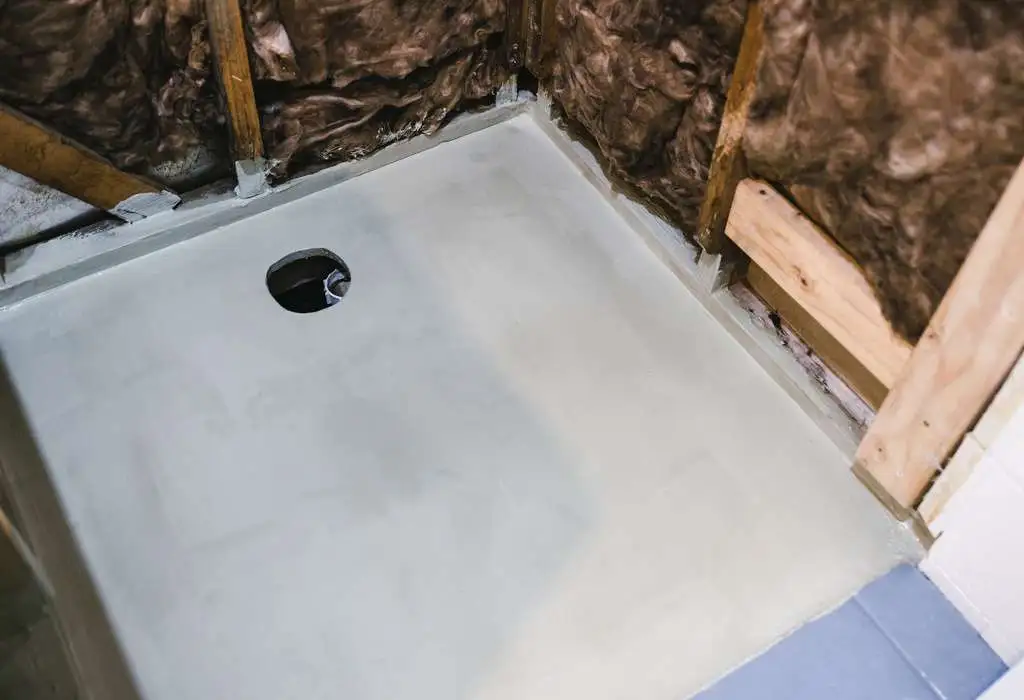
A solid surface shower pan base is also known as a stone shower base. If you’re a DIY lover, building a solid surface shower base will be a fun project for you.
You only need to gather the necessary materials and tools. Then, proceed to take measurements so you can build a shower base that fits into your shower floor.
Here are the steps to build a solid stone shower base:
- Draw the floor
- Confirm the layout
- Open the walls
- Locate the wall studs
- From the curve
- Put on the first layer of mortar
- Lay in the liner
- Fold in the layers
- Make a drain hole
- Attach the tile backer board
- Add metal lath
- From the curb
- Cover the lath
- Mortar the curb
- Adjust the drain hole
Building Shower Pan base on a Concrete floor
If you want to build a stone shower pan base on a concrete shower floor, you’ll have to make some adjustments. In the long run, the only time you’ll need to do this (make adjustments) again would be before selling your home.
Here are some basic steps to follow to build a composite stone shower pan on a concrete shower floor:
- Prepare the floor
- Lay the shower liner
- Start waterproofing (remember, concrete is a porous surface, so pay extra attention to waterproofing)
- Add the adhesives and mortar
- Fix the drain hole
installing a solid surface Shower Pan on the base
You don’t need to rally around for an expert to install your shower; you can do it yourself. Here’s a guide for a simple solid shower pan DIY installation project:
1. Measure
It’s vital to take the necessary measurements to make sure that everything fits. Prepare a space of at least 32 inches. Then, you can start prepping everything to install the shower pan.
2. Subfloor
You must ensure you prepare the subfloor to allow your shower pan to sit on it. Also, check your first floor before you start.
3. Drain Installation
At this stage, everything must be locked in the right place because it’s the drain setup. Any mishap can lead to water leakage.
3. Secure Shower Pan
To secure the shower pan, you can apply mounds of mortar or adhesive.
4. Drain and Gasket Screen
Here, place the rubber gasket over the drainpipe. Then, place the drain screen on top of it. Make sure it is held in a steady position.
5. Leaks
After installing the shower pan (base), make sure to test for leaks. If there are no leaks, congratulations, the solid surface shower pan installation is complete! If there is, you’ll need to make some adjustments.
Shower Pan Threshold Options
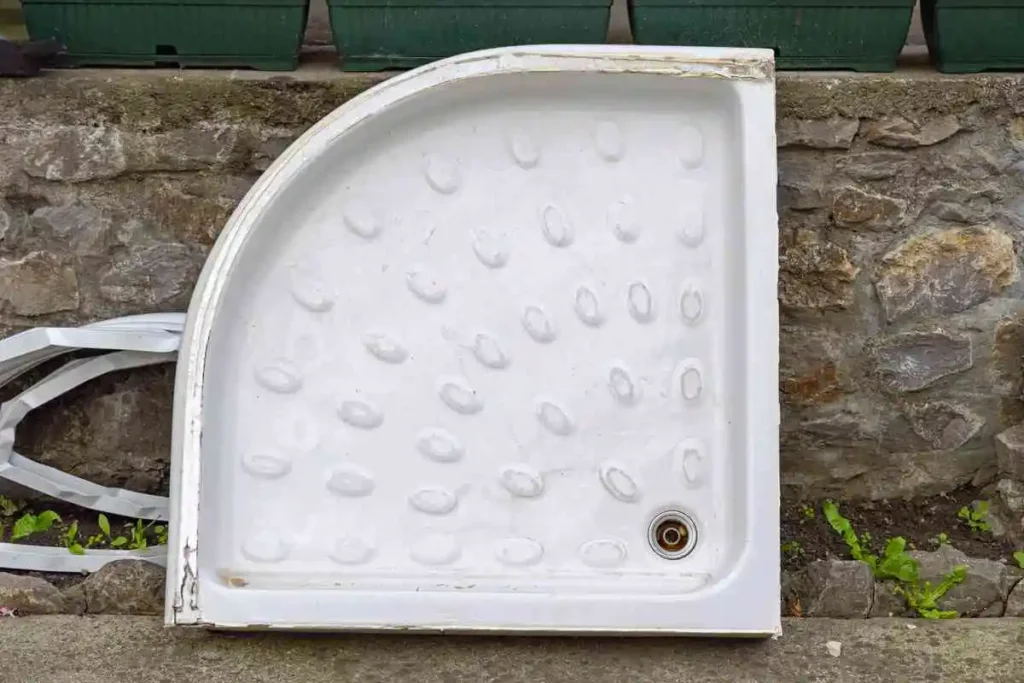
Like the varied shapes and sizes, shower pans have different thresholds to meet code compliance and the clients’ preferences (or needs).
- Temporary thresholds are removable curbs for barrier-free showers. They’re an excellent option for those considering aging-in-place design or multi-family homes.
- Beveled thresholds provide easy access to wheelchair accessibility. It ensures you adhere to ADA code guidelines.
- Barrier-free shower stone pans allow users to step into the shower without risk of falls or trips.
- Curbed thresholds range from ½ inch short to 6 inches tall.
Pros and Cons of Solid Surface Shower Pans
Below are some of the pros and cons of a solid surface shower pan.
Pros
- Style: The best-molded stone shower bases add a touch of sophistication and luxury to the bathroom. They exude elegance and class and are available in various textures, sizes, and colors.
- Durability: Stone shower trays are highly durable and can last for many years.
- Stability: Stone shower bases offer a sturdy and stable base for your shower. This stability minimizes the risk of any creaking or flexing sounds that may occur with other materials.
- Easy to clean: Granite shower pans are non-porous and easy to clean. But, you must use a water solution and a mild soap.
- Variety: Stone shower trays are available in various styles, finishes, and colors to complement your bathroom outlook.
Cons
- Temperature sensitivity: Solid shower pans sometimes feel cold underfoot, which may not be good for those who prefer a warmer bathing experience. However, this can be reduced with underfloor heating systems.
- Cost: Shower pans are more expensive than other shower materials, such as the walls, etc.
- Slippery: Shower base trays are slippery when wet. It is necessary to choose a stone resin shower tray with a non-slip surface.
- Weight: Stone-look shower pans are heavy, so they may require extra support.
FAQs on Choosing a Solid Surface Shower Pan
What’s the Difference Between a Shower Pan and a Shower Base?
A shower pan is easier to install and takes up just a tiny portion of the shower. However, a shower base is more complex to install because it’s more customized. A molded stone shower base usually consists of mortar or cement underneath the shower floor.
Is a Shower Pan Necessary For a Custom Tile Shower?
Yes, using a shower pan on a custom tile shower is necessary. It helps to prevent water from damaging the custom tile shower floor. Having a shower pan would go a long way in maintaining your bathroom design.
Again, shower bases are easier to clean, but you’ll need to clean tile floors more often. A shower pan works better if your tile shower is making the most of the space or an odd size.
What Are The Standard Shower Pan Sizes?
A standard rectangular or square shower base pans vary from 32 x 32 inches to 60 x 42 inches. Also, traditional neo-angle base pans for corner showers are between 36 inches and 60 inches in diameter.
Do You Need Mortar Under A Fiberglass Shower Pan?
All shower pans, including the ones with glass enclosures, need mortar (otherwise called thin-set). It is used to adhere tile to shower bases or walls. This material contains polymer and latex additives, which increase its bonding strength to surfaces.
Mortar helps reduce the risk of cracking from uneven surfaces and pan slippage. Fiberglass shower pans are more durable than other shower pan types. The pans have a high gloss finish. So, if you’re in an environment that needs a firmer grip on the floor, look for a custom tile shower pan.
Can You Add Custom Tile Over A Shower Pan Liner?
Installing custom tile on your shower floor gives it a cohesive look compared to having a rubber shower pan and tiled walls. Custom tile isn’t prone to staining like rubber and is easier to clean. You just need to use the correct shower pan material when replacing the old one with a new one.


