How to Wash a Wool Blanket

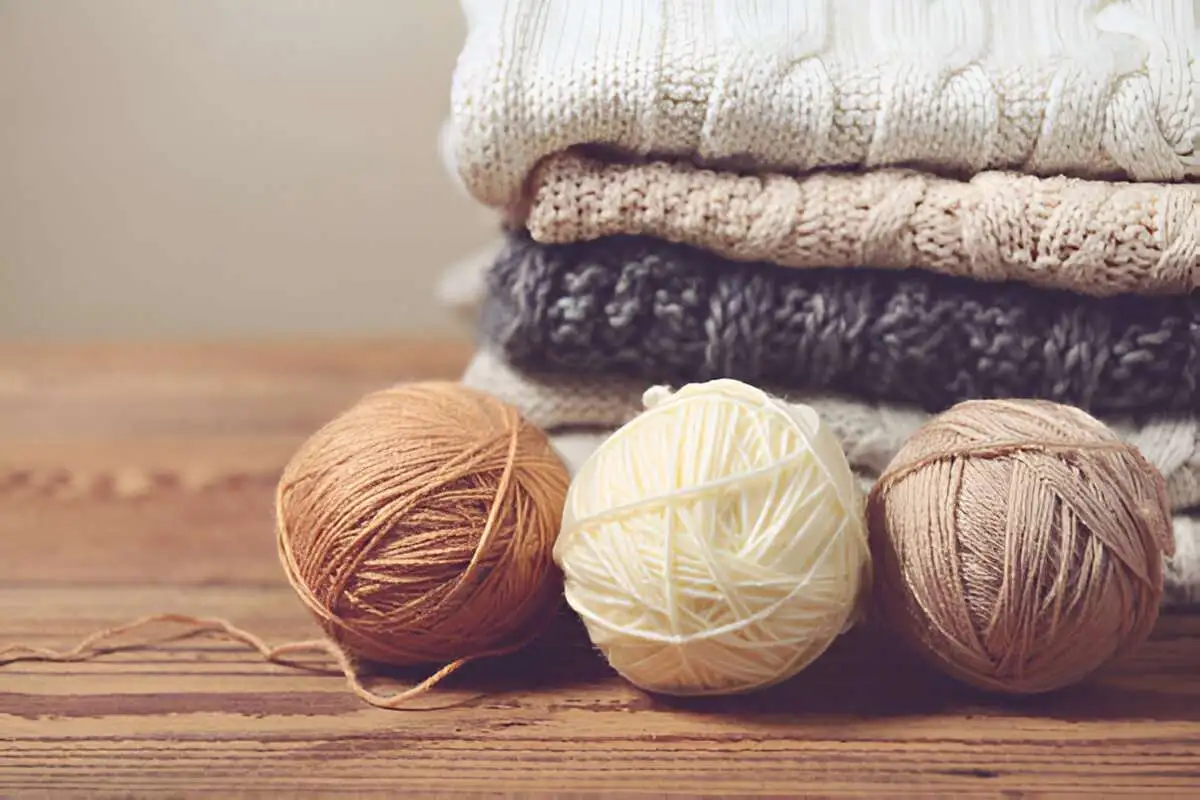
Learning how to wash a wool blanket is essential in maintaining your blanket. It may not be easy to clean a wool blanket, but it can be much easier when you follow the right steps. Wool blankets are very easy to maintain, and you don’t necessarily need to wash them frequently.
Washing a wool blanket once every three months is highly recommended. This textile fiber is derived from sheep and other mammals, particularly goats, rabbits, and camels — they comprise protein and a minor amount of lipids. Because of this, it is chemically quite distinct from cotton and other plant fibers, primarily composed of cellulose.
They are not permeable yet absorb moisture. In water, wool absorbs almost one-third of its weight. Wool blankets are one of the most alluring and long-lasting of all beddings. They have a warm, soft feel and don’t easily stain or damage. When you maintain your wool blanket properly, it’ll last for a long time.
This article will walk you through how to wash a wool blanket, including drying and caring for it effectively.
Table of Contents
Tips on How to Maintain Your Wool Blanket
Preserving a wool blanket may be challenging. Below are some tips on how you can adequately care for your wool material:
- Treating stains
- Holes and Tears repair
- Washing
- Drying
- Fixing shrunken wool blanket
- Ironing
- Storing
Generally, using the processes mentioned above to care for your wool blanket and material can be pretty effective. A standard routine is encouraged when cleaning your wool blanket, especially when washing, drying, and ironing.
Items Required for Washing a Wool Blanket:
- Enzyme-free detergent formulated for wool and delicates
- Soft-bristle brush
- cold water
- Mineral spirits (optional – for oily stains)
- rubbing alcohol (optional – for coffee or wine stains)
- white vinegar (optional – for blood stains)
- large, flat drying surface
- shaded clothesline
The term “laundry” involves not only the act of washing garments and other fabrics but also their drying and ironing. Since washing clothing is as old as humans, multiple fields of study are interested in studying how other cultures have coped with this basic human necessity.
Laundry steps include stirring, washing (usually with soap water and other chemicals included), rinsing, drying, pressing (ironing), and folding. Sometimes, the clothes are washed at temperatures above room temperature to make the chemicals work better and make spots less noticeable. Also, high temps kill any microorganisms that might be on the fabric.
How to Wash a Wool Blanket in An Easy Step-by-Step Guide
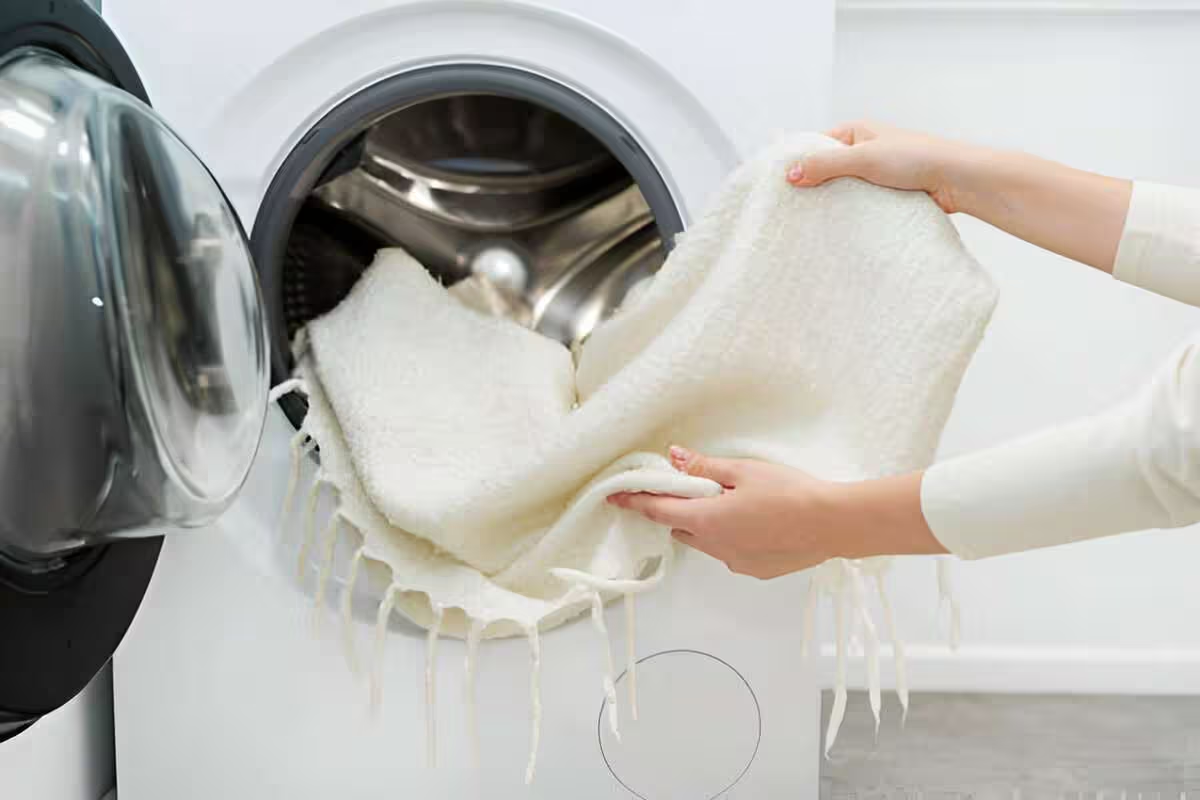
To ensure your wool blankets last long, follow these easy step-by-step guides when you wash, dry, air, and store them.
Step 1. Jiggle/Shake the Blanket
Before you wash a wool blanket, you should jiggle or shake it out and hang it in a place with adequate ventilation.
Step 2. Loose the Embedded Dirt
Dust the surface of the wool blanket using a brush with soft bristles. Gently move across the surface while wiping in a single direction.
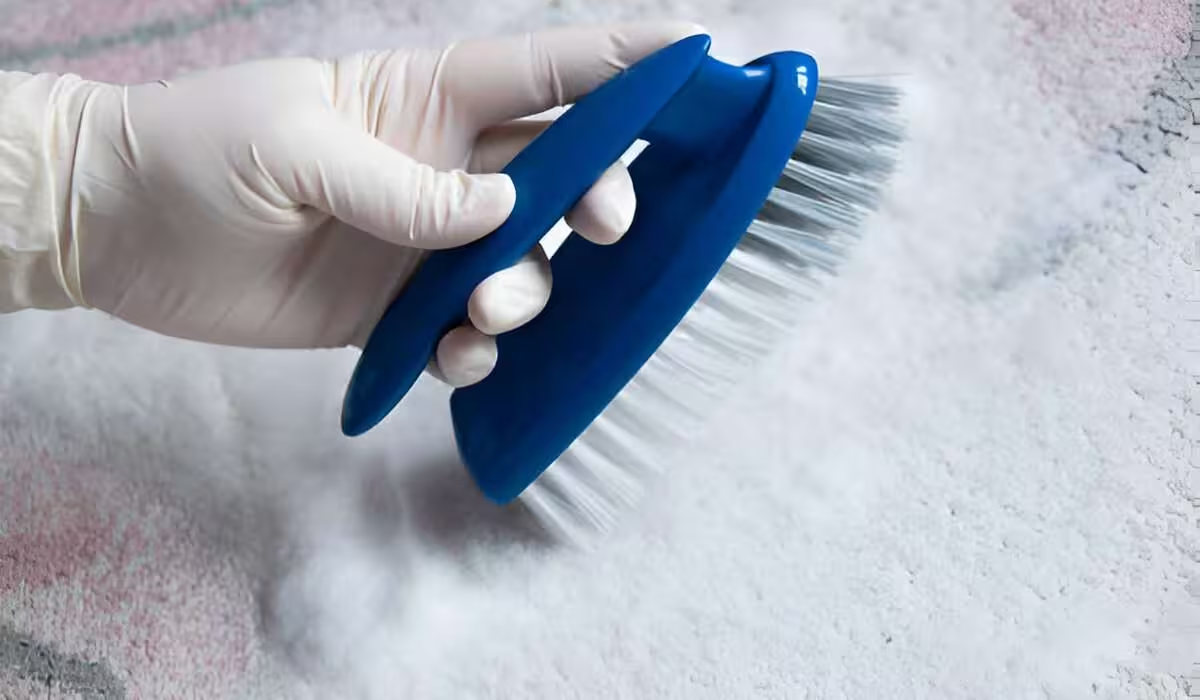
Remember, you don’t need to scrub the surface. The objective is to shake the blanket so that the particles embedded in it fall out when the surface is agitated.
Step 3. Take Care of Stains
Mix a gentle detergent with club soda or a vinegar solution consisting of one-third cup of distilled white vinegar and two-thirds cup of water to remove unwanted stains.
To do this, first, soak the area and then use a clean towel to wipe it. It’s essential to address stains promptly, as wool fibers are susceptible to staining. Try eradicating as much of a stain as feasible before washing a blanket in the machine.
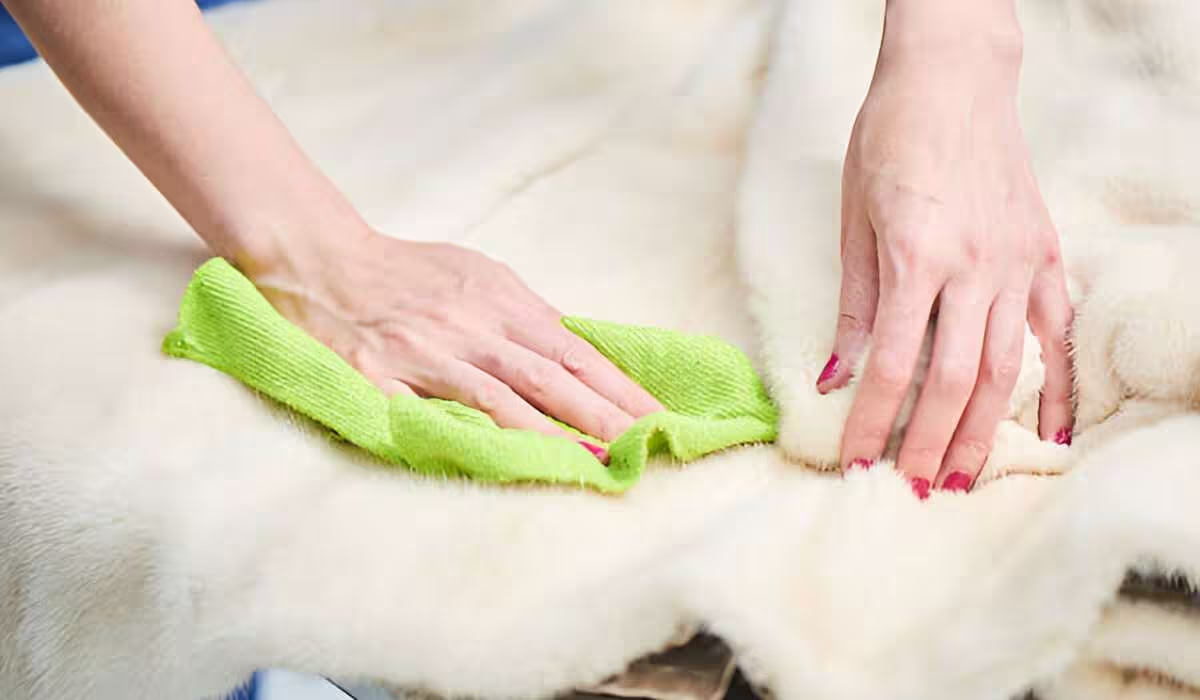
A few straightforward methods for cleaning wool are available, depending on the nature of the accident or stain:
- Use cold water to rinse any recent stains. Coffee, wine, or fruit juice spilled? The stain is saturable directly beneath your kitchen faucet. Do not scrub; instead, assist in clearing the fibers. You have a fair chance of removing the stain if you detect it before it dries.
- Put some cleaner on the stain. Use mineral spirits on a white cotton cloth to dab at greasy or dry stains, such as makeup. This will assist in lifting and dissolving the oils. If there are dried liquid stains, use a safe cleaning for wool. Wool shampoo or sensitive detergent should be diluted with a tiny amount of cold water. Applying this to the stain with a gentle cotton cloth is an option. Allow it to sit for a few minutes, then rinse the area with cold water to remove the cleaner.
- Get rid of harder stains. Other detergents won’t hurt wool if the wool-friendly one doesn’t work on a tough spot. But don’t use them on large parts of your blanket. Rub a 3:1 mixture of alcohol and water in the affected area to remove wine and coffee spots from fibers. Applying undiluted white vinegar directly in the stain area of the wool can help remove dried and loose blood stains in your wool blanket.
Step 4. Prepare the blanket by soaking it in cold water first
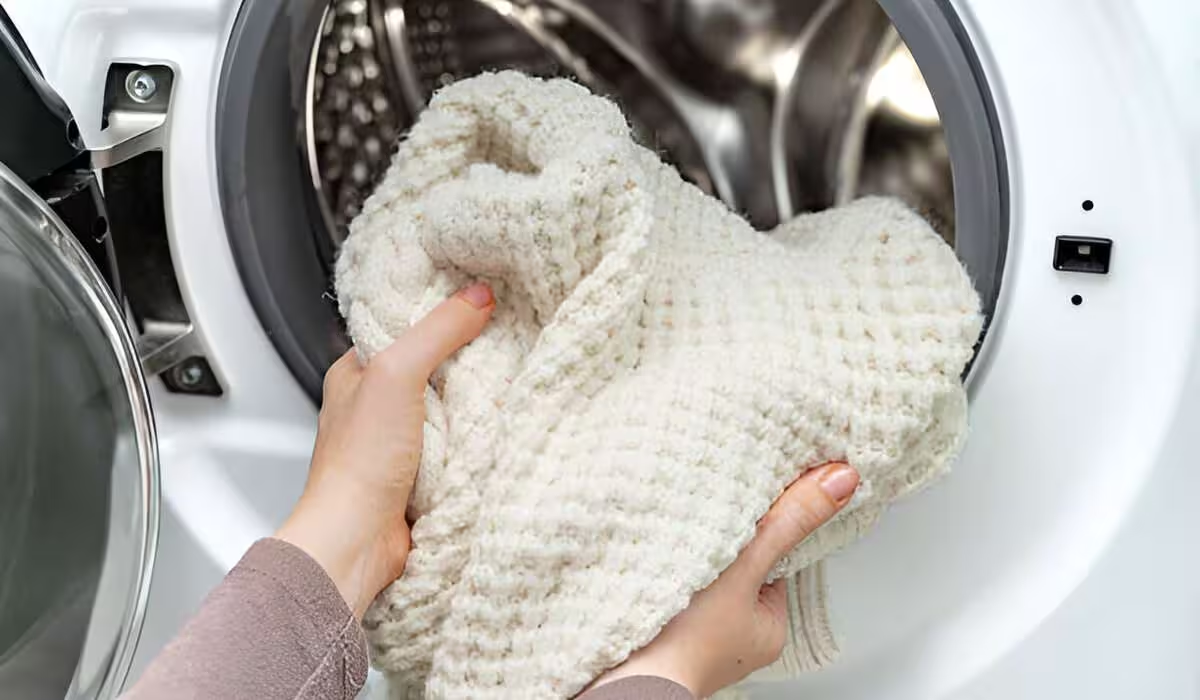
Pour cold water and a detergent appropriate for wool into the washing machine. After adding the wool blanket, leave it to soak for fifteen minutes.
After being cleaned in cold water, the wool may tolerate a gentle spin cycle in the washer to eliminate excess moisture; make sure the spin cycle is on a low RPM setting.
Step 5. Take a few minutes to wash.
Put the washing machine on the gentle cycle, add the recommended wool-safe detergent, and let it run for two minutes. End the cycle, then begin the rinse cycle and wait for it to complete. Run the blanket through one more washing cycle if the suds are on the cloth.
Most people worry that washing a blanket will permanently damage the fibers. Still, using the proper detergent, water temperature, and wash settings, you can effectively wash a blanket without shrinking it.
- Use only gentle detergent designed for wool
- Use only cold or tap water temperature
- Use a low spin, delicate, or wool washing machine setting only.
- Avoid overloading the machine.
The following are additional recommendations for washing wool blankets:
- Prevent the frequent laundering of your wool blanket and adhere to spot-cleaning treatments. The wool fibers in the blanket may disintegrate due to excessive laundering.
- If the blanket is restored to its original softness and freshness through a thorough spin and airing out, there is no need to launder it.
- Removing water from a wool blanket is strictly prohibited, as this will result in the wool losing its shape.
- If you launder your wool blanket, avoid exposure to other items in the wash to prevent tangling.
Extras for Wool Blanket Care and Repairs
Tears and holes
Because wool blankets are so expensive, mending them is in your best interest, particularly if you discover a moth hole that will only become wider. Repairing small moth holes involves squeezing the hole and then stitching it firmly with a darning needle and wool thread that matches the hole.
You will need a piece of wool coordinating with the bigger holes in the blanket. This piece of wool should be able to be put into position and stitched firmly on both sides of the blanket. Another option is to take the blanket to an expert who can fix it.
Ironing
Although you won’t usually have to iron a wool blanket, you could discover a few difficult wrinkles to remove and want some assistance to be flattened. A crease in wool may frequently be removed by the steam produced by an iron, even if the iron itself does not come into contact with the cloth.
Should you need wrinkle removal, it is recommended that you use an iron on the wool setting (300 degrees) and always place a pressing cloth underneath the iron. If you do not apply the latter, you risk leaving a shining area on the wool, which may be harmful.
Storing
While it is being stored, a wool blanket should be protected from insects and moisture. Keep your wool blanket in a firmly sealed container or a hefty plastic bag.
Include a few cedar chips or woodblocks if you are concerned about bugs. Cedarwood is an excellent alternative to mothballs and a natural insect repellent that is effective against flying insects.
Conclusion
Proper care is necessary for preserving the quality of a wool blanket and extending its lifespan. If you follow the instructions and techniques outlined in the article, you can ensure that your wool blanket will remain clean, soft, and cozy for many years.
Keep in mind that you’ll need to handle your wool blanket with care to preserve its attractiveness and usefulness. Use appropriate cleaning solutions and apply suitable after-wash care to prolong its lifespan.