How to Choose the Best Bed Sheets for Hot Sleepers

Lately, there have been conversations about the best bed sheets for hot sleepers. If you usually become restless at night, tossing and turning to find the coolest part of your bed, you aren’t alone. Besides the weather, your sheets could also be the problem.
Some materials tend to trap heat, moisture, or cold more quickly, whereas others are ideal for balancing. The first thing to do to help yourself is to know which materials breathe and which don’t, so you can figure out what truly works for you.
Table of Contents
- 1 Why You Overheat At Night
- 2 Best Bed Sheets For Hot Sleepers
- 3 Cotton Percale vs Bamboo and Linen
- 4 Key Factors to Consider Before Buying breathable bedding for night sweats
- 5 Buyer Checklist For The Best Bed Sheets For Hot Sleepers
- 6 Tips for Creating An Airy Space For Sleep
- 7 Conclusion: You Can Sleep Better With Better Sheets
Why You Overheat At Night
At night, especially when you sleep, your body cools slightly, helping you relax. Whether this temperature stays depends on your choice of sheet.
Some fabrics naturally release heat and promote airflow, while others trap warmth and worsen overheating.

To keep your temperature naturally low, your bedding needs to do two things for you:
- Allow air to flow: Heat will accumulate between your body and the sheet if your fabric can’t circulate air.
- Wicks moisture: The best sheets for sweating at night remove liquid away from the skin. You’ll find that these materials almost always feel cool to the touch and lightweight.
Best Bed Sheets For Hot Sleepers
Just as you check ingredients before buying groceries, it’s important to review the materials used in your sheets. This helps you choose the best breathable sheets for hot weather without relying on marketing claims.
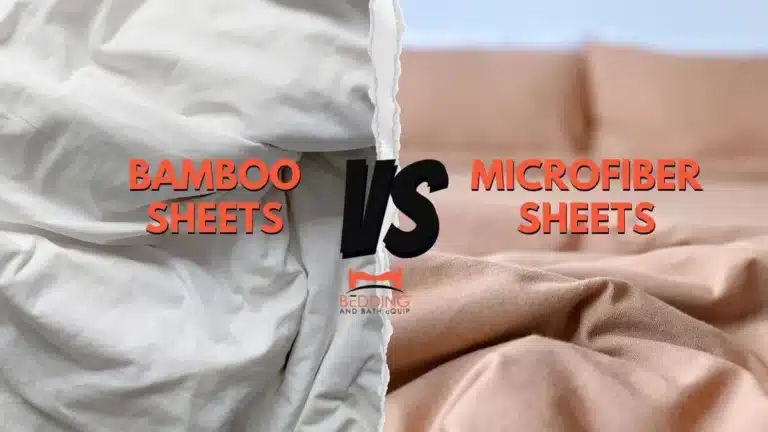
For example, microfiber and polyester may feel light, but they are not ideal for hot sleepers. These materials trap heat and reduce airflow. This makes them a poor choice if you want the best bed sheets for hot sleepers.
Cotton percale
A cotton percale is indeed breathable, but sometimes, the feel matters more than the fabric itself. When you’re buying, you can see if it feels matte or crisp. It looks like a freshly washed, unironed shirt.
The ones that seem silky or shiny in texture aren’t usually suitable for hot climates because they’re thicker.
Bamboo
If you’re looking for cooling bed sheets for night sweats, bamboo might be a good option. They absorb better than cotton. These fabrics won’t just pull water out of your skin but also let fresh air in.
Compared to traditional cotton, bamboo and tencels are also softer, smoother, easier to wash, and dry faster. They hardly trap odor and molds.
Linen
In most cases, linen appears to come straight from an air conditioner. You’ll feel air blowing through. The irony is that it tends to be thicker, yet it doesn’t cling to the body even when the weather is hot.
From experience testing this material, it can feel slightly rough or scratchy when used for the first time. That’s because it comes from raw flax fiber. It becomes less stiff and itchy after you wash it a few times.
If you still feel uncomfortable after frequent use, the issue might not be the sheet. It could be a sign of an allergy.
Cotton Percale vs Bamboo and Linen
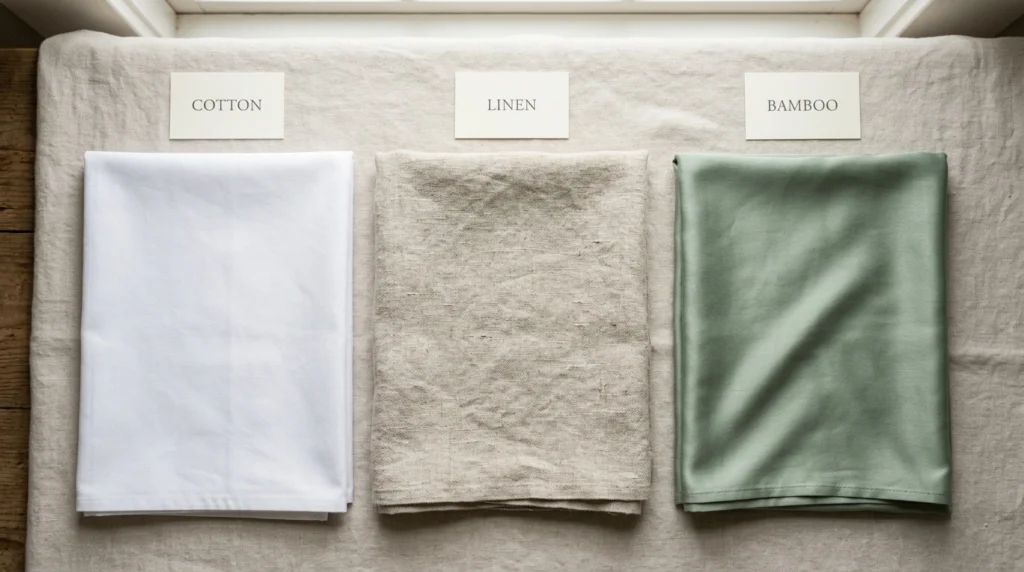
Granted, cotton, bamboo, and linen are top options for airy, restful sleep. Nonetheless, they don’t feel the same.
| Fabric | Feel | How it cool your body | Durability |
| Cotton percale | Hotel-like, lightweight, and looks like a matte lipstick | Allows breeze to easily reach your skin | Medium |
| Linen | Texture may itch on first use | It lets moisture escape much better than cotton | High |
| Bamboo | Smooth and hypoallergenic | Absorbs night sweats | Medium |
Key Factors to Consider Before Buying breathable bedding for night sweats
Choosing breathable bedding for night sweats can help you stay cool, dry, and comfortable throughout the night. However, beyond selecting the right bed sheet material, it’s important to choose the one that aligns with your sleeping habits, environment, and budget.
This is where most people get it wrong. Two people can buy the same “cooling sheets” and have completely different experiences because they didn’t consider these factors.
Climate & Sleeping Habits
Your sleep environment and body temperature matter just as much as bedding does in how sheets perform. The same fabric can feel cool in one setting and uncomfortable in another.
Start by considering your conditions:
- Do you sleep in a humid or dry climate?
- Is your room air-conditioned or naturally warm?
- Do you experience night sweats or just mild warmth?
In humid climates, breathable and moisture-wicking fabrics like linen or bamboo help prevent that sticky feeling. In dry heat, lightweight cotton percale allows airflow while preventing heat retention. If you sweat heavily, materials like Tencel or bamboo are better at pulling moisture away from your skin and drying quickly.
The key is to choose sheets that match both your environment and your body’s heat regulation during sleep.
Budget vs Luxury
Cooling sheets for hot sleepers vary widely in price, but cost alone doesn’t determine how well they perform. What matters most is the material quality and construction, not branding or thread count claims.
In the budget range, you’ll often find microfiber or low-grade cotton blends. These may feel soft initially, but tend to trap heat and wear out faster.
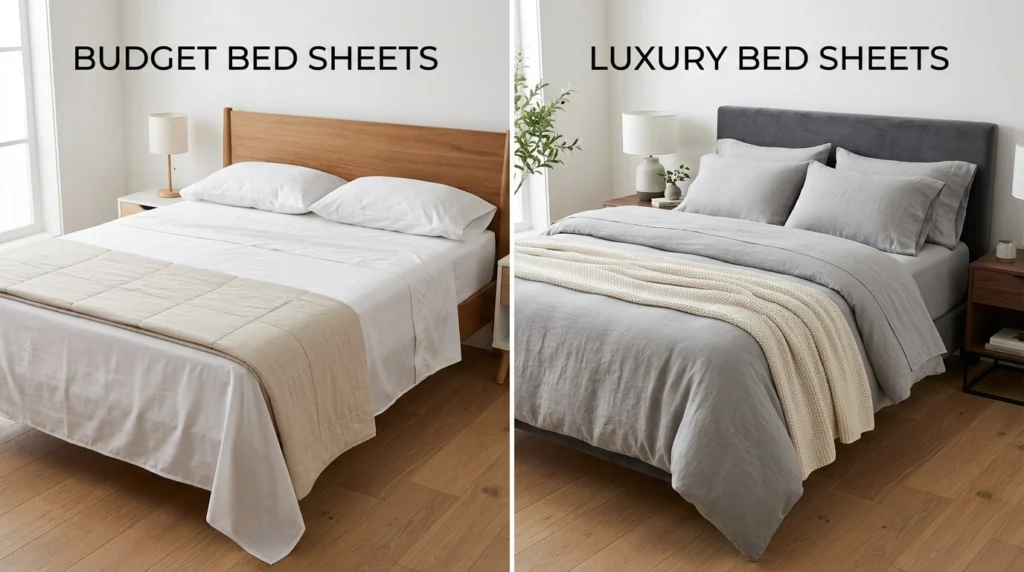
The mid-range is where most hot sleepers find value. Materials like cotton percale or bamboo offer a strong balance of breathability, comfort, and durability without being overly expensive.
Premium options like linen and high-quality Tencel provide the best temperature regulation and longevity, but come at a higher upfront cost.
A practical approach is to invest in mid- to high-quality, breathable fabrics, since better materials usually deliver more consistent cooling and last longer.
Thread Count
Thread count gets a lot of attention among shoppers looking for the best bed sheets for hot sleepers. But it’s often overrated for hot sleepers.
Many people believe that a higher thread count means better airflow, greater durability, and greater comfort. That’s not always true. Anything over 500 may feel like a sweltering oven, as the weave will be too tight for air to pass through.
A higher thread count can reduce airflow and trap heat. While softer sheets can feel nice at first, they don’t always keep you cool.
For breathable cotton sheets, a thread count between 200 and 400 is often ideal. It strikes the right balance between comfort and airflow.
Highly breathable bamboo comes with 250 to 500, whereas linen needs lower counts around 50 to 140 because they’re slightly heavier than other materials. Focus on fiber quality, weave type, and fabric weight. Not just the number on the label.
Weave Type
When it comes to the best bed sheets for hot sleepers, weave plays a critical role in how these sheets handle heat, airflow, and overall comfort. Even with the same material (like cotton), the weave can completely change how cool or warm the sheets feel.
The two most common types are percale and sateen.
Percale uses a simple one-over-one weave, creating a lightweight, matte fabric that allows air to circulate freely. This makes it feel crisp, breathable, and noticeably cooler, ideal for hot sleepers or warm climates.
While sateen uses a tighter weave with greater thread surface exposure. This gives it a smoother, softer feel, but also makes it denser and more likely to retain heat.
If your goal is staying cool, choose percale for airflow and breathability, while sateen is better suited for those who prefer warmth and a softer touch.
Buyer Checklist For The Best Bed Sheets For Hot Sleepers
Whether you prefer to buy your fabric at physical or online stores, you’ll need to keep some factors in mind to get that breezy feeling:
Weave pattern
The weave pattern tells you how heavy or airweight your sheet will feel. For example, you don’t go for cotton; ensure there’s percale on the label and confirm the texture with your hands.
If you can’t spot percale on the tag, it’s likely sateen. Sateen is softer than percale, but it’s less breathable because it traps heat.
Fiber
Another thing you want to check is if the packaging indicates lyocell or Tencel when buying bamboo. They tend to wick moisture away for longer. You’ll find that it becomes even more durable over time.
If what you see is rayon or viscose, it might feel comfortable at first, but it’ll pill after a few washes.
Fit
Unlike when wearing a cloth, you’ll want an oversized option for more air. It doesn’t work like that with bed sheets. They need to fit snugly into your mattress so you don’t get exposed to warmer areas of your bedding.
The light test
The best bed sheets for sweaty sleepers are usually slightly transparent. If the fabric is so dense that no light passes through, your body heat won’t either.
Weight
Some top brands now use GSM (Grams per square meter) so you can accurately determine the feel and thickness. Just like thread counts, lower is better for coolness. Many people prefer the 110-140 GSM range for maximum airiness and breathability.
Return policy
The return policy doesn’t directly affect the quality of your bedding, but it helps you quickly determine whether you’re buying from a responsible brand. You need a way out if you aren’t satisfied with the product. Some companies let you return the item for free within a specified period.
Organic
When you’re sleeping and sweating, your pores naturally open. You want to ensure that as moisture leaves your skin, synthetic dyes aren’t replacing it. One way to protect your skin is to check if the tag says it’s made from organic or natural fiber. You can also verify whether it’s certified as free of harmful substances with local textile authorities.
Wrinkles
It’s natural to want sheets that look perfect after washing, but a wrinkle-free label might not be a good sign. Many brands treat these beddings with harmful chemicals that actually prevent wrinkles but make them less cool.
No stickiness
If it feels unbelievably slick or oily when you touch it, scratch that. You might have encountered microfiber or a similar material. They appear really light at first, but once you start sweating, they’ll stick to your skin like bubble gum.
Some low-quality bamboo materials behave similarly. You’ll notice them sticking to your back or legs instead of releasing air.
Odor and bacteria control
Since warm sleepers sweat more, odors and bacteria can grow. Some companies now add natural ingredients, like charcoal, to their bamboo sheets to ensure they stay odor-free even before you wash them.
Hybrid fabrics
These days, some of the top-rated cooling sheets now combine two or more materials to balance out their strengths. For instance, you might see a cotton-silk pair. Silk helps absorb night sweats, whereas cotton focuses on making those summer nights more comfortable for you.
Polyester combos will still cause body heat, even if cotton, bamboo, or linen content is 90%.
Tips for Creating An Airy Space For Sleep

Even with the right sheets, your bed can still feel like a furnace with the additional accessories.
1. Ditch the softeners
You may find it strange, but softeners do more harm than good to your bedding. It adds chemicals, such as wax or silicone, which may clog your fabric’s pores. Once this happens, your sheets will lose their ability to breathe and absorb sweat.
Instead, you can rinse with white vinegar.
2. Use a cooling mattress cover
If your mattress protector is made from polyester or microfiber, the best bed sheets for hot sleepers won’t serve you. Heat will eventually come knocking at your skin. Consider a cover made from the same breathable material as your sheet, such as tencel, bamboo, or cotton.
3. Go for the right color
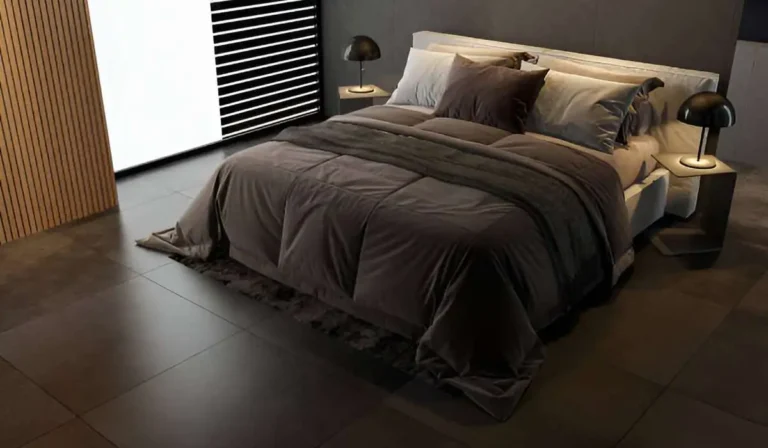
You may have heard that dark colors (black, dark gray, chocolate brown, and charcoal) are better suited to winter because they retain heat better. The same applies to sheets. Calmer colors like pale yellow, white, dusty pink, or mint green work well for summer.
4. Wash the right way
If you sweat a lot, you’ll likely wash your sheets regularly because of buildups. In this case, excessive laundering at high heat can reduce bamboo’s moisture-wicking ability. You’ll need to wash every seven days in cool or lukewarm water.
Conclusion: You Can Sleep Better With Better Sheets
When choosing the best bed sheets for hot sleepers, you need more than cotton percale, bamboo, or linen. The number of threads and the fabric weight can determine how cool your bed feels. Remember to wash them in low heat to maintain that sweat-absorbing quality.
Colors also matter; lighter shades are usually better. If it’s advertised as wrinkle-free, that doesn’t automatically mean it’s a green flag.