How to Make a Small Room Feel Bigger: Tips and Advice


If you want to make a small room feel bigger, then you have to learn how to design and decorate. Scientifically, it’s only possible to explain your house size by adding extra square footage. Although that may be true, architects and interior designers are exceptions to the rule.
Through design, your small room can change into a bigger room within a twinkle of an eye. However, your space must be comfortable, airy, clean, and beautiful to feel at home. You don’t need to break down walls to make a small room look and feel bigger.
Properly maintaining a small space can make your room feel larger and more comfortable. Fortunately, we’ve got some expert tips and advice to guide you. It doesn’t matter if you’re a homeowner or a renter. These tips will suit your budget lease terms and help you fully optimize that small space.
Table of Contents
- 1 How to Make a Small Room Feel Bigger in 19 Easy Ways
- 1.1 1. Tidy Up
- 1.2 2. Less is More
- 1.3 3. Create Multifunctional Rooms
- 1.4 4. Create Space
- 1.5 5. Keep Your Furniture Low
- 1.6 6. Opt for Neutral and Light Colors
- 1.7 7. Settle for Multifunctional Furniture
- 1.8 8. Create Floor Space
- 1.9 9. Keep the Prints Minimal
- 1.10 10. Use Mirrors
- 1.11 11. Keep The Window Designs Minimalist
- 1.12 12. Maintain a Flooring Flow
- 1.13 13. Take the Doors Off
- 1.14 14. Decorate with Restraint
- 1.15 15. Choose the Right Fabrics
- 1.16 16. Clear Up Utility Spaces
- 1.17 17. Install Crown Molding
- 1.18 18. Streamline Your Shelves
- 1.19 19. Add Reflective Materials
- 2 Tips For Picking the Right Color and Pattern For Your Home Furniture Pieces
- 3 FAQs on How to Make a Small Room Feel Bigger
- 4 Takeaway
How to Make a Small Room Feel Bigger in 19 Easy Ways
Learning how to make a small room feel bigger doesn’t have to be complicated; it’s safe to say that architects and interior designers are magicians.
If you feel like your room needs to be bigger and more open, these expert tips and ideas will help you make your small room feel bigger and more comfortable.
1. Tidy Up

Image credit: Pexels
The easiest way to make a small room feel bigger is to clear the clutter. If your space is untidy, it’ll feel cramped and small. For starters, begin by disposing of all items you’re not using.
Then, create a storage space for small items like cosmetics, brushes, documents, etc. You can get rid of fabric furniture pieces for a more refined look. The crisp, clear lines are proof of a decluttered space.
2. Less is More
Minimalist pieces of furniture should be your go-to. Avoid unnecessary pieces of furniture and items that’ll create clutter. For context, a wooden bed with a headboard is vintage and comfortable. You can skip the footboard, as the headboard will become the focal point in the room.

Besides, the footboard clutters the space since it sometimes serves as a tempting spot to place bags, clothes, and accessories.
3. Create Multifunctional Rooms

Another great home-maximizing tip is to source for clever ways to ensure that one room embodies multiple functions. For example, you can designate an area in your room to be your workspace.
You can also create another area for your wardrobe section. No matter what the design may be, so far, it has been properly built, and it keeps the room organized and simple.
4. Create Space

Image credit: Pixabay
Small rooms look bigger when there’s floor space to walk around the furniture. For instance, if you place a bed in the center of the bedroom with open space on both sides, the room will look more spacious than the one with the bed against the wall.
Keep your furniture in scale. That doesn’t mean you should settle for boring pieces; look out for the sleek but minimal ones. You can opt for sofas with defined details like buttons or curves. They’ll add character and class to your small room without overshadowing the space.
5. Keep Your Furniture Low
When choosing your furniture, settle for relatively small pieces that have open space under them. Low pieces of furniture create more free space above. It’s advisable to settle for a round dining table and chairs with an open frame.
Besides, seeing the furniture legs creates an illusion of openness because it allows air and light to flow under, around, and over it.

Most people think that when decorating small spaces, it’s best to fill them up with smaller furniture pieces. Although an oversized sofa may not be appropriate, fitting the room with a few big pieces will make the space feel bigger.
In addition, the positioning of your furniture matters. Allow space for them to ensure enough breathing space. Move the furniture away from the wall slightly. Get some side tables to flank a sofa instead of using a large coffee table to block the home flow.
6. Opt for Neutral and Light Colors

Image credit: Pexels
Whether you’re making a furniture choice, selecting a bed sheet, or choosing paint, focus on neutral, light, and pastel colors. Light colors allow natural light to reflect in your small space, making it look more spacious. Contrasting, dark colors absorb the light, causing a cozier and tighter feel.
However, you can still color up your space. Just know that blue shades calm the space, creams warm the room, and corals ignite the energy. Generally, lighter colors reflect natural light, making the room feel bigger.
For paint, using one light color shade instead of making feature walls will further enhance the proportions of your space. If you’d like some color variations for your room, you could paint the door trims and windows one shade lighter than the rest.
Additionally, when choosing your paint colors, consider the floor of your room. It’s necessary to ensure the two have similar colors. That’ll help create balance and visual cohesion.
7. Settle for Multifunctional Furniture
You’ll end up in a stuffed room if you don’t provide enough storage room from the get-go. Getting a bed frame with drawers will help serve numerous purposes without swallowing up so much space.
For one, you’ll have a storage area for your clothes and shoes.

Image credit: Pexels
Also, you can get a table with file drawers for your documents and some books or a coffee table with built-in storage. Always remember that every item in a small space should have more than one job. It will help you create more space and convenience.
8. Create Floor Space
Rather than stacking all your decor and furniture on the floor, utilize the vertical space. Think of how best to use the wall spaces. Rather than place your TV on a table, mount it on the wall; use hanging lights instead of floor lamps; arrange your books on shelves, not on a bulky bookcase.
To have everything you need in your small room, keeping the floor clear and utilizing vertical space makes a difference. The best approach is to group your furniture on one side of the room to allow easy passage.
9. Keep the Prints Minimal
Although loud, vibrant, and funky patterns are beautiful, they’ll overwhelm your small space. It’s best to use more solid prints and complement them with accents like pillows for extra pattern and color.
For example, getting a sofa with a solid print and augmenting it with a blanket or pillow will add a pop of pizzazz. Let your accessories and decorations leave a mark.
10. Use Mirrors

Mirrors will make your small room feel bigger and brighter because they retract sunlight, making bright reflections and giving an illusion of space in your room.
You just need to position the mirror in the right spot. Place your mirror at eye height to ensure it reflects a light source (natural light).
Alternatively, you can put the mirror in a position that reflects a window and the view outside.
11. Keep The Window Designs Minimalist

Image credit: Pexels
Curtains made of heavy fabrics make the window design feel smaller if used in a small room. Hence, it’s best to settle for minimalistic designs like rolling blinds in a similar color as the walls. That way, you can cover the window without overwhelming your space.
Alternatively, hanging your curtains way above your window creates an illusion. Instead of placing a curtain rod just above the window, secure it close to the ceiling.
Then, use drapes (light linen fabric) long enough to reach the floor, exaggerating the room’s height.
12. Maintain a Flooring Flow
Maintaining one flooring type throughout your home also makes your room feel bigger. Floorboards are a great option and can be used in the bedroom, kitchen, and living area.
For more warmth, you can add rugs.
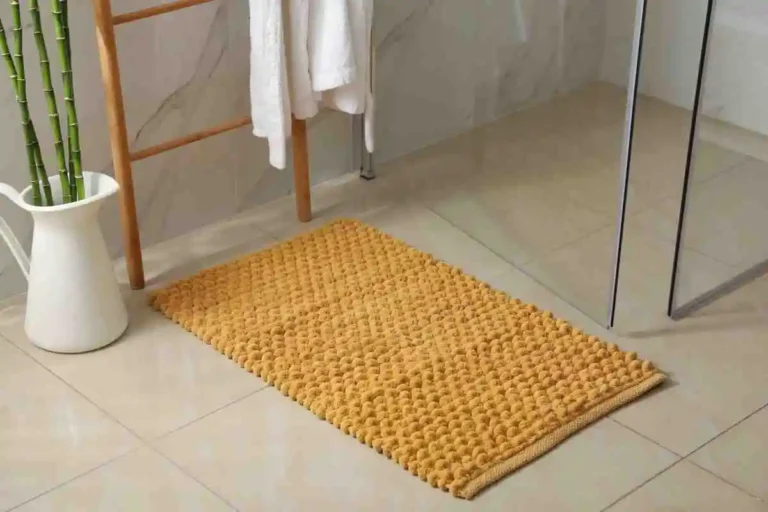
However, when picking a rug, refrain from those with many designs. Rugs with simple designs, contemporary colors, and textured lines are the best.
13. Take the Doors Off

Image credit: Pexels
If all your rooms come with an internal door, it’ll be best to remove them because it takes up so much valuable floor space and interrupts the home flow.
If you’d still like an inner covering, you can replace the door with a sliding one. The same also applies to your bathroom cabinetry and bedroom closets.
14. Decorate with Restraint
In a larger home, you can add numerous decorative pieces like books, art, and vases. But, in smaller spaces, you’ll need to be selective about the items you display to make the room feel bigger.
Just pick a few valuable items and place them in the room. After arranging all of them, remove some more until you achieve the perfect balance of restraint and visual interest.
15. Choose the Right Fabrics
There are different fabrics on the market. You need to take time to consider various factors before making a decision. Think of factors like cleanability, durability, and the fabric’s fade potential.
Heavy fabrics like wool and velvet aren’t better options because they can overwhelm your space. Instead, settle for lighter fabrics like cotton, linen, and lace. They command less attention and will help your small room feel brighter and more extensive.
16. Clear Up Utility Spaces
Utility spaces are often an extension of the kitchen, where items like cleaning supplies, washing machines, and tumble dryers are kept.
Simply put, a utility room is an additional storage space for miscellaneous household items.
These utility areas are easily neglected, but most times, they’re always cramped. It’s advisable to use solutions like under-cabinet spotlights to light up the area for a brighter and bigger feel.
Besides, you’ll know when to arrange and declutter when the area is well-lit up.
17. Install Crown Molding
Crown molding is a wise interior decor idea. However, while it’s stunning in some rooms, it may not look good in others. Specific rooms, like the living room, are a perfect location for this design.
Besides giving your space a professional finish, installing crown molding makes the ceiling appear taller. This gives your small room more depth, making it appear bigger.
18. Streamline Your Shelves

Image credit: Pexels
Although the shelves are meant for decorative items and books, keeping some space is crucial. Otherwise, your home will look storage-starved because of the excess clutter on display.
Move all the books to the edge of the shelf. Don’t worry about the varying book sizes; pack them neatly, pull them forward, and they’ll look great. It doesn’t matter if your shelves are less attractive.
19. Add Reflective Materials
Shiny materials like glossy tiles help accentuate the effect of a mirrored-style wall. The tiles will lighten the room, making the space larger and airier.
Additionally, furniture pieces produced from shiny metals and polished wood will further illuminate your small room and make it appear bigger.
Tips For Picking the Right Color and Pattern For Your Home Furniture Pieces

Stick with Neutral
Neutral is one of the best colors you can use. That’s not to say you can’t sprinkle some bold hues around if you’d love to.
But keep in mind that rooms with busy patterns feel cramped, while those with neutral shades make your space more breathable.
Also, settle for small-scale patterns to create balance; this makes the small room feel proportional to the print size.
Elongate with Stripes
Making the most of small rooms can be difficult, but their optical illusion effect eases the process. With stripes, you can make an undersized space feel bigger.
Stripes are versatile and forever trendy. They offer limitless possibilities for interior decor. From upholstery patterns to paneling, they’ll transform the feel of your room in seconds.
For example, striped designs make narrow kitchens look wider. So, you can use a vertically striped wallpaper to accentuate the room’s height.
Try blended-in Tones
Settle for furniture pieces that are similar in color to the walls. That way, all the items will blend in without using up visual space.
A perfect way to mix bold tones is to look at the color wheel’s opposite side. If your room is painted blue, add a touch of red or orange highlights (like furniture or window linings). That’ll add a pop of energy to your room.
FAQs on How to Make a Small Room Feel Bigger
How do you make a bedroom feel bigger?
Accents are the trick. Most people limit item sizes when designing small rooms. Consider adding oversized pieces like a large chair or big wall art.
Too many small objects make a room look cluttered, while a few oversized items create an illusion of space.
What color makes a room look bigger?
Light and neutral colors are your best bet. Use colors like pastels, creams, pales, and off-whites for a brighter and bigger room. Avoid using dark colors; they make the room feel tight and smaller.
Do mirrors make a room look larger?
Yes, but only when they’re used correctly. Mirrors help make your room more colorful by reflecting light. The brighter your room is, the larger it’ll feel.
Which type of mirror makes a room look bigger?
A vertical, lone mirror is the perfect option. When placed at eye height, it guides the eyes upwards, making the room feel bigger. Plus, it accentuates the room’s height, making it look higher than it is.
Which type of lighting is best for my small room?
It’s best to use different lighting sources. Your options should include floor lamps, table lamps, and overhead lighting to create dimension and depth in the room. Avoid harsh overhead lighting. They’re harmful to the eyes.
Should I use small or large furniture in a small room?
Use multifunctional furniture pieces that fit into your small room perfectly. Avoid using many oversized items that will make your room uncomfortable and cluttered.
Takeaway
When decorating a small room, utilize natural light, mirrors, lighter paint colors, and multifunctional furniture. Hang drapes at ceiling height and maintain an uncluttered space.
Learning how to make a small room feel bigger doesn’t have to be a daunting task. You can implement these tips in your new apartment or carefully apply them to transform your old home. Like a magician, you’ll spin your small room into a comfortable, ample space.
Ultimately, bigger rooms are the best because they’re less cramped, cleaner, and calmer. They lower anxiety and make you feel more comfortable.