Does A Bathroom Exhaust Fan Need To Be Vented Outside?


A bathroom exhaust fan protects your bathroom from unpleasant smells. This appliance removes moisture and eliminates mildew and mold growth in your bathroom. Therefore, you should keep it clean.
But does a bathroom exhaust fan need to be vented outside? The answer is yes; you should vent your bathroom exhaust fan outside. The exhaust fan’s job is to extract excess moisture and mold from the bathroom. Also, venting inside is against the purpose of the fan in the first place.
Furthermore, venting inside will cause damage to the building. This article will answer every question about your bathroom exhaust fan and how to vent your exhaust fan the right way.
Table of Contents
- 1 Do Bathroom Fans Have To Vent Outside?
- 2 Bathroom Ventilation Requirements According to Building Codes
- 3 Common Indicators That a Bathroom Needs Better Ventilation
- 4 What Happens If A Bathroom Is Not Vented?
- 5 How To Vent A Bathroom With No Outside Access
- 6 Can you install a bathroom exhaust fan without a duct?
- 7 Where does a bathroom exhaust fan vent to?
- 8 Is it okay to vent a bathroom exhaust fan into the attic?
- 9 Where is the best place to put a bathroom exhaust fan?
- 10 Final Thoughts
Do Bathroom Fans Have To Vent Outside?
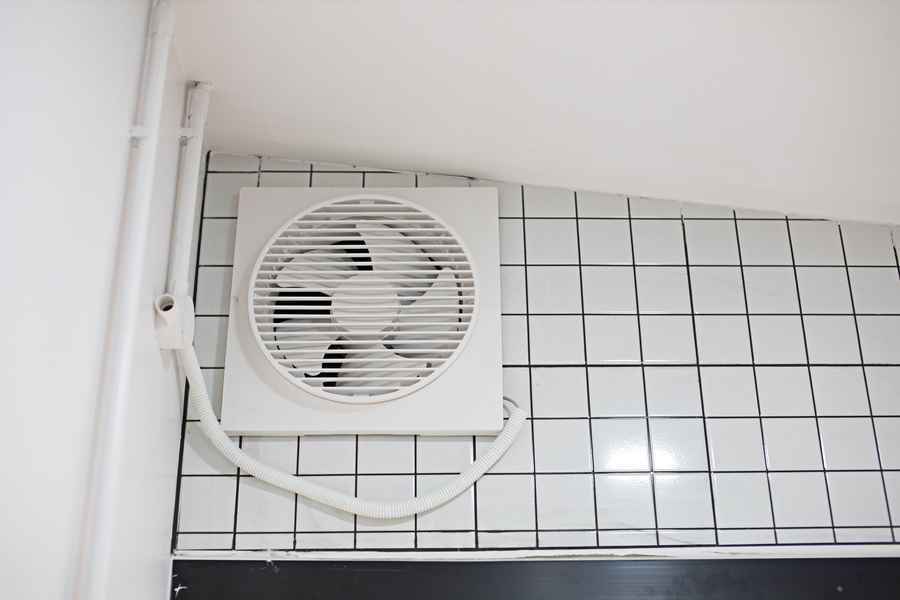
Generally, a bathroom exhaust fan needs to be vented to the outside through a dedicated duct. You can always vent it through the roof or your home’s sidewalls. There are several essential reasons to vent your bathroom exhaust fan outside.
The bath exhaust fans prevent the interiors from clogging with moisture, water vapor, mildew, and mold growth. Venting inside your house is like running the home without an exhaust fan. You’re still keeping inside what the fan is meant to remove.
It’s even more risky because excess moisture can cause severe damage to the building structure and lead to structural damage. So, venting outside is the most appropriate way to vent your bathroom exhaust fans.
However, this depends on where you live and the building codes of conduct. The following section will discuss the requirements for venting your exhaust fans according to building codes.
Bathroom Ventilation Requirements According to Building Codes
The building codes for bathroom ventilation requirements vary for different bathroom features. This conduct specifies how these excellent features should be fixed and the length or dimensional requirements.
Here, the code to look for is more specific to bathrooms and their features. Unlike some building codes, which do not require fans, it all depends on the code and your location. According to code section R303.3, a window should have an exhaust fan with a minimum area of 3 square feet.
The code section R303.4 states that you must fix an exhaust fan and use a window that does not align with what the code says. Porting air should be vented outside the building, according to code section M1507.2, and not into interior parts such as the attic space.
Fan capacity must be a minimum of 50 cubic feet per minute, according to code section M1507.4, intermittent (this can translate to 20 cfm continuous).
Common Indicators That a Bathroom Needs Better Ventilation
The worst signs of poor ventilation affecting your bathroom are damaged floors, leaking walls, and sometimes, features and fixtures starting to come loose. The more significant risk is that the walls will likely crack and collapse.
But it doesn’t have to get to this stage before you notice that something is wrong. So, below are a few signs that your bathroom lacks proper ventilation.
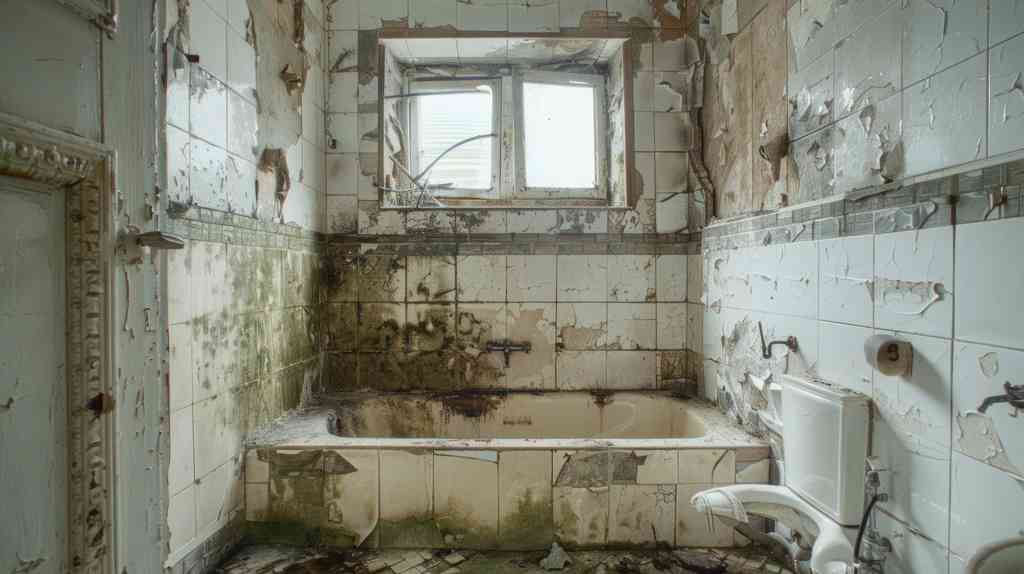
Molds Growing On the Windows
Mold and mildew growth on the windows and bathroom ceilings are good signs that your bathroom needs urgent ventilation. Condensation stays on windows when no proper ventilation is required in order to dry the surfaces.
These things leave a musty smell, which you can notice when you enter the bathroom. An exhaust fan can fix these issues.
Poor Design
Getting adequate ventilation is the function of a good design. Your duty as a user is often maintenance. Although there is a lot you can do, it’s essential to look at the design as a whole to understand why your bathroom is not getting the required ventilation.
In the past, houses were constructed with lots of spaces and were ventilated all around. Modern technologies have made it possible to change those design methods.
So, houses are tighter and more reliant on technology to provide comfort. But why is it so, you may ask? This is because regulating or changing what you get is easy when you use technology to make a home comfortable.
The level of interior comfort is higher and can be adjusted based on how you want to feel. For instance, during the cold climate, you can turn off electrical appliances like AC and fans to make the house feel warmer. But just like everything with its pros and cons, there’s also a downside to using technology.
Damage Home Appliances
Air-tight houses receive less ventilation from the outside. When some of the features are not working right, it throws everyone into some level of discomfort.
And gradually causes damage to the whole building structure. For instance, lack of ventilation is directly related to poor carbon emissions from the house.
Health Problems from Poor Ventilation
Lack of ventilation affects the structure and can lead to health problems. If you have health problems related to breathing and air contamination, it’s a sign you need to pay attention to the kind of air you breathe in.
Molds and poor ventilation damage the walls and cause plumbing leaks. Although, you can quickly fix this issue. However, it will take a lot more to care for any health issues that may arise.
What Happens If A Bathroom Is Not Vented?
The bathroom usually gets wet more than the other places in your house. It is also one of the most private places in the building. Therefore, it is generally designed to prioritize privacy, especially against the outside of the building, which limits outside ventilation.
If the bathroom is not vented, it will likely get stuffy quickly. In addition, due to poor ventilation, mildew and stains will start forming on the wall.
The smell is usually solid and uncomfortable. And will remain in the bathroom for as long as there is no proper air circulation.
Additionally, poor ventilation can cause your wallpaper and paint to peel off. A working exhaust fan can help prevent all these issues.
Just as kitchen hoods help to seize and vent out heat, bathroom exhaust vents also extract odors and excess moisture. The kitchens will be covered with airborne grease and combustion products without the hoods.
How To Vent A Bathroom With No Outside Access
It’s possible to vent a bathroom without outside access. But you must consider the bathroom’s available features and parts. After that, try one of the bathroom exhaust fan venting options below:
Install An Exhaust Fan Inside The Bathroom If It Has External Walls
If your bathroom doesn’t have outside access, installing an electric exhaust fan is an effective way to have unrestricted airflow. However, this method only works if your bathroom has exterior end walls; it doesn’t matter whether they are attic end walls.

But you’d need a wall-mounted bathroom exhaust fan to vent through the exterior end walls. The most important question is, does the wall lead to the outside? If the answer is yes, you will need a decentralized ventilation system for the bathroom.
This system has two shafts; one is meant to be outside, and the other will be inside. If you can’t do this yourself, hire a professional to drill holes in the wall to connect the two shafts.
Install an Exhaust Fan In The Internal if it Has No External Walls.
Exhaust fans can also work for your bathroom if the walls don’t directly lead outside. What you need is a central exhaust fan.
This method uses vent pipes and ventilation shafts to extract moisture and ventilate the interiors. To ensure this works efficiently, create a means for fresh air to back into the walls.
Typically, you can use louvers for the bathroom doors, which allow air to emit through the walls. If you can’t do it yourself, you’ll need to hire a professional to help you out.
Create Draughts
This bathroom exhaust fan venting method allows air to circulate in the bathroom without adding extra devices. Though less effective than adding exhaust vents, it can work for your bathroom.
If the room next to the bathroom has a window, you can open one of those and leave it open often. You must also leave the bathroom door open to let air circulate. To have a balanced airflow, add a fan to improve circulation.
Using a Dehumidifier
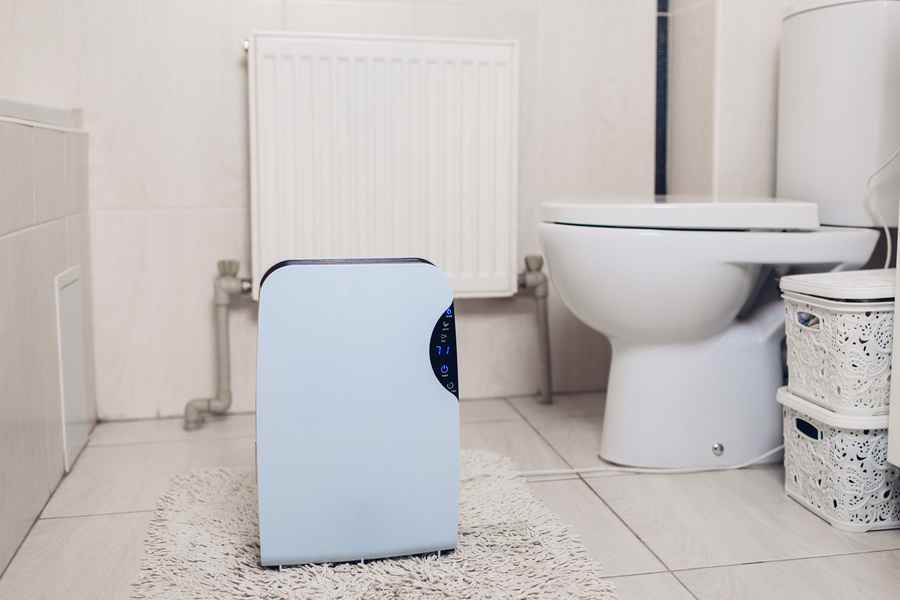
A dehumidifier can help eliminate excess moisture. However, it’s essential to understand how it works to ensure it is what you need.
An electric humidifier extracts excess humidity to make the interior smell better. These humidifiers are often effective because of the following reasons:
- They change nature
- Improve the air quality in the building, and
- Regulate the humidity levels in a building.
Can you install a bathroom exhaust fan without a duct?
Yes, installing a bathroom exhaust fan without a vent duct is possible. The best choice is a ductless fan that recirculates interior air and removes moisture and smells.
Instead of passing the air through a vent duct, the fan circulates the air through a charcoal filter.
Where does a bathroom exhaust fan vent to?
Bathroom exhaust fans are vented through the roof or ceiling. Most times, they are vented to the side walls. It is best to vent to the outside.
This is because the vent is supposed to go where it’s safe from the building and can’t cause mildew or mold growth. If you’re unsure, please check the building codes for the area.
Is it okay to vent a bathroom exhaust fan into the attic?
It is unsafe to vent the bathroom exhaust fan into the attic. Instead, vent appropriately with the suitable materials out of the house.
A little moisture from your bathroom can create big problems with the structures and materials used in constructing your attic. This is because there is no guarantee the humidity will get to the ridge vents of the attic and escape.
Also, if the moisture keeps blowing against the roof sheathing, it can cause extensive damage to the overall structure of the building. So, to ensure unrestricted airflow, you can add a fan and soffit vent to the attic.
Where is the best place to put a bathroom exhaust fan?
The best place to put your bathroom vent fan depends on the bathroom design. You can ask a professional interior architect for their opinion.
You can fix the bathroom ventilation fan in a few places, such as the shower, shower stall, and bathroom roof.
Watch the above video to learn more on how to vent your bathroom fans the right way.
Final Thoughts
Excess moisture, mildew, and mold growth can cause damage and an unpleasant smell in your home. That is why you need to vent your exhaust fan outside to prevent the growth of these microorganisms in your bathroom.
Also, you should note that venting your bathroom exhaust fan into the attic is against the building code of conduct. It can also affect the overall building structure and cause health-related issues.
If you’ve yet to gain experience with any of the methods I have listed above. Consider hiring a professional to help you, especially if you want to install a new exhaust fan or replace your old one.