Can You Put Bathroom Mats in the Dryer? Expert Tips and Advice


Bathroom mats are made from different materials. Some mats may warp, burn, or crease when put in the dryer. It’s important to care for our bath mats exactly the way we care for our bath towels.
Most times, these mats are only washed on deep clean days especially when the specks of dirt become more visible. One of the ways to maintain a clean and organized home is to always take care of your bathroom, including your bath mats and bath rugs.
By doing so, you won’t just have a clean and healthy mat to dry your foot on after a bath, but your bath mats will also last longer. Still wondering if you can fast-dry bathroom mats? Read on to find out!
Table of Contents
Different types of Materials Used in Producing Bath Mats

There are different types of bath mats, but the most common ones are rubber and non-rubber materials. The non-rubber materials include cotton, memory foam, microfibre, etc.
The rubber type prevents accidents while bathing, and the non-rubber materials are usually placed just outside the shower or bathtub. Before you put your bath mats in the dryer, it’s a good idea to follow the manufacturer’s maintenance instructions.
Rubber Bathroom Mats and Dryers
Rubber bath mats are bad candidates for a dryer stint. Some experts advise never to put such mats in a dryer.

However, if you must, you need to inspect the mat for peeled or cracked areas. Check if the mat is in good condition. If not, you simply have to discard it.
But if it’s still solid, you can put it in a dryer at low heat for about 20 minutes. Keep in mind that if you dry a backed bathroom mat too often, it won’t last.
If the dryer is too hot, it can damage the mat. It may even ruin the dryer because rubber is prone to cracking, melting, flaking, and warping.
Also, a stint in the dryer can weaken the mat’s gripping ability. More so, the combination of a plastic or rubber bath mat and the dryer is highly risky – a likely fire hazard.
Therefore, air drying in the sun is a reliable method. The UV rays will help to remove bacteria and mold. However, avoid direct sunlight because it can cause discoloration.
Non-rubber Bathroom Mats and Dryers

Non-rubber bathroom mats function better in the dryer. Natural materials like linen and cotton can withstand a low, gentle machine-drying cycle.
With caution, bath mats made of synthetic fibers like acrylics and nylon can also withstand the same drying cycle. But you must use the lowest possible drying setting.
You can even mix the bath mat with a few clothing items. You can dry a rubber-backed, microfiber, memory foam, or cotton-blended bathroom mat without issues.
However, experts warn against using a machine dryer if the bathroom mat has braids, tassels, or other embellishments. The designs can tear off during washing and drying, threatening the machine and damaging the mat.
But, if you adhere to the proper machine wash instructions and put the appropriate type of bathroom mat in the dryer, the mat and the washer will emerge unharmed.
Can You Dry Bath Mats in the Dryer?
Most bathroom mats last longer and look attractive when you use your dryer’s “tumble-dry-low” setting. If you dry your bathroom mat in a hot or even warm setting, it may alter the weave’s look and make it shrink.
So, ensure you follow those instructions to wash your bath mat in the best way possible. As long as the mat is made of long-lasting fabric like cotton, it’s always safe to wash it with a washing machine and a laundry detergent.
How Often Should You Wash Your Bathroom Mat?
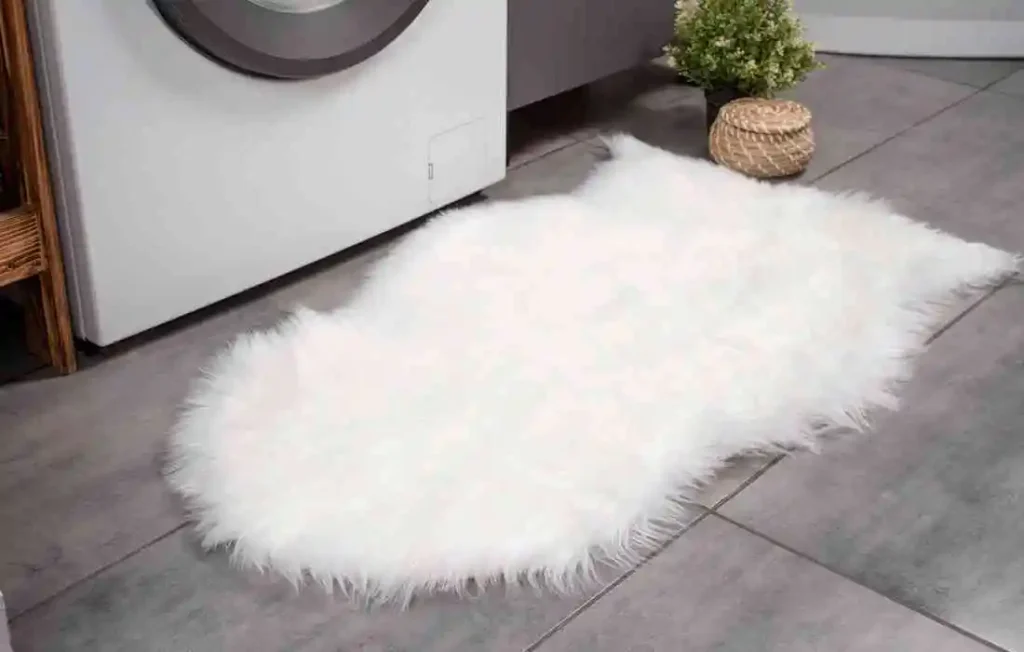
Generally, you’re to clean your bath mats and rugs weekly. Since bath mats are always on the floor, they absorb a lot of dust, debris, and dirt.
Even if your bathroom mats look clean, it’s advisable to fix a regular biweekly or weekly washing schedule. Overall, how often you wash your bath mat depends on your home and family habits.
If you’re an active athlete or you have many children at home, try to wash your bath mats more frequently to avoid mold, mildew, and bacterial growth. Fortunately, if you stay alone, you can settle for a more moderate washing routine.
The feet inhibit a lot of bacteria because they are mostly damp. That implies that shower mats, especially those that are unventilated and retain moisture, can become a breeding ground for bacteria.
Furthermore, if you have a bathroom mat that’s highly absorbent and doesn’t dry quickly, you may need to wash it daily. Damp areas create 10,000 times more bacteria than dry conditions.
In addition, toilet flushes create a plume of aerosolized bacteria that spreads a couple of meters and settles on surfaces. If your bathroom mat is close to the toilet and damp, then that’s some bacteria feasting there.
The best way to prevent such unhealthy growth is to place your toilet lid down whenever you flush. You can even dry your bath mats in between uses by air-drying them outside in the sunlight.
The faster they dry, the lesser the opportunity for bacteria to multiply. Plus, the UVC rays from sunlight help to kill viruses, mold, and even bacteria.
To extend the life of your bathroom mat, just maintain a consistent cleaning schedule and dry the mat using the right settings.
A Bonus Tip
For more extended usage, avoid fabric softeners, as they tend to accelerate wear and tear in fabrics.
If you don’t have a dryer, an alternatively safer option is to line-dry your bath mat under the sun or hang it on a towel bar in your bathroom. Although, the bath mat’s manufacturer may always provide a written guide on the tag.
How Frequently Should You Replace Your Bathroom Mat?
If you use your mat daily, plan to replace it once yearly. But, if you handle it with care, it’ll serve you longer. Mats in the guest bathroom will probably be replaced once every two years or so if they’re used less frequently.
Since bathroom rugs don’t usually get as wet as the mats, you can replace them once every two years or when you notice any signs of wear and tear.
The mat replacement also depends on what the mat is made of. A synthetic or cotton mat will need to be replaced more often.
Although, it depends on the wear or tear on the mat. However, a natural earth stone mat will not require changing for a long time as long as you take proper care of it.

Rubber bathroom mats will need replacement once the rubber starts to flake off. Else, water will soak through to the floor and cause damage, especially on wooden floors.
Overall, if you use your bathroom frequently, you must replace your fabric bathroom mat once every six months. This regulation will help safeguard you from foot fungus and other bacterial infections.
More FAQs on washing and drying your bath mats
How Do You Dry Your Bathroom Floor Mats?
Use the dryer’s tumble-dry-low setting. This setting will make the bathroom mat last longer and still look fresh. If you dry your bathroom mat using a hot or warm setting, it may alter the knit’s look or shrink.
Should I Air Dry My Bathroom Mat?
Yes, you can hang your bathroom mat on a drying rack to air dry. Alternatively, you can place the bath mat in the dryer.
Always refer to the mat manufacturer’s care label to know the recommended drying method. If you are in doubt, just air dry it outside and ensure it’s completely dry before using it.
How Long Do Bathroom Mats Last?
Bath mats last as long as two years. Although bathroom mats are one of the most used items in the bathroom, they’re also the most durable.
Ensure you wash the mats weekly, but if the bathroom is used frequently, you may want to clean the mats daily. The general thumb rule for replacing bathroom mats is once a year.
Can I Wash Bathroom Mats with Towels?
Yes, you can wash bathroom mats alongside your towels and other small rugs. If the mat has a non-skid backing, minimize the spin cycle speed if your washing machine has adjustable speeds. This adjustment will help reduce wear and tear and prevent cracking.
How Many Bathroom Mats Do I Need?
Two is enough. You can keep one on the floor and the other in the linen closet. Some people use one bath mat outside the bathtub and another in front of the sink. You can place another mat beside the toilet if your bathroom is big enough.
Conclusion
Poorly made bathroom mats will fray, fall apart, and lose absorbency rapidly, but investing in a good-quality bathroom mat saves you money for the long term. Opt for durable bathroom mat materials like cotton, synthetic, and acrylic.
Imagine coming fresh out of the shower onto a clean, plush, soft bat mat. That’s a real luxury! Your concern should just be to maintain it daily.
If you care for your bathroom mats properly, they’ll serve you so well. Most importantly, implement the appropriate drying techniques and care practices to keep your bathroom mat luxurious and fresh as the day you purchased it!